Introduction
In high-resource settings patient education is typically established as an essential component of cancer care. However, in lower-resource settings with very high cervical cancer burdens such as Indonesia, formalised patient education is lacking, which negatively impacts quality of care, treatment delays and outcomes, and patients’ rights.
Methods
A co-designed intervention was undertaken with cancer survivors and patients, treating clinicians, hospital management, professional medical associations and government representatives. Priorities for content, communication mediums and accessibility were determined, and two sets of education resources were developed, a flip chart for use at point-of-diagnosis and take-home fact sheets. A training module for clinicians on delivery of patient education was developed and facilitated, and the education resources were piloted in four hospitals over six months in 2026. Evaluation of the pilot by patients and clinicians was undertaken qualitatively and quantitatively.
Results
Key challenges included: ensuring readability by using colloquial language rather than medical terminology; time pressure due to short consultation windows and high patient load; removing judgmental or stigmatising language from clinician-patient interactions; encouraging two-way communication; and the need to address misinformation.
Patient satisfaction was either high or very high among all patients who participated in the evaluation. Clinicians reported higher confidence in delivering patient education and addressing myths, and observed greater patient participation in decision making, less anxiety among patients, and faster treatment uptake. Clinicians requested the training be adapted into an online module to allow ongoing training of new residents.
Conclusions
The co-design process enabled development of education resources and training that overcame prior barriers and was a realistic fit with low levels of cancer-related health literacy and the low-resource setting. Collaboration was key to achieving equilibrium between patients’ needs and clinicians’ capacities, and fostered strong joint ownership, which has translated into a commitment to upscaling the intervention.
Statement of the Problem: Cervical cancer remains a leading cause of morbidity and mortality among women, particularly in low- and middle-income countries, despite the availability of effective screening and prevention strategies. Fragmented data systems, limited use of informatics, and inadequate risk stratification contribute to delayed detection and missed opportunities for early intervention. Population-based electronic surveillance platforms can support early identification of high-risk women and strengthen decision-making at primary care settings. However, there is limited evidence on context-specific, app-based tools embedded within routine non-communicable disease (NCD) clinics in India. The purpose of this study is to develop and evaluate a population-based electronic surveillance tool to identify risk factors for developing cervical cancer among women aged 30–60 years attending Sampoorna NCD clinics in Lucknow, Uttar Pradesh. Methodology & Theoretical Orientation: This study adopts a three-phase, quasi-experimental design grounded in an ecological perspective to capture individual, service, and system-level determinants of cervical cancer risk. Phase 1 involves an extensive literature review and synthesis of existing WHO toolkits and state-level instruments to design a structured questionnaire and an app-based decision-making tool. In Phase 2, a non-randomized study will be conducted in two comparable NCD clinics (one intervention, one control), enrolling 250 women per arm to collect real-time socio-demographic, behavioural, clinical, and screening data. Phase 3 evaluates the impact of the tool using descriptive statistics, chi-square tests, t-tests, and regression models to examine risk factor profiles, identification of high-risk women, and implementation outcomes. Findings: The tool is expected to improve systematic documentation of cervical cancer risk factors, enhance early identification of high-risk women, and generate dashboards for providers and policymakers to visualize risk patterns and service gaps. Conclusion & Significance: A population-based electronic surveillance tool integrated into NCD clinics has the potential to standardize risk assessment, support targeted screening and follow-up, and inform state-level public
Background
Nepal has demonstrated strong political commitment to interventions across all three elimination pillars: HPV vaccination, screening and treatment of precancerous lesions, and management of invasive cervical cancer.
Methods
A descriptive review of national policies, program reports, implementation guidelines, and service delivery data from the Ministry of Health and Population was conducted. Information was synthesized across the three elimination pillars to assess progress, innovations, and implementation gaps.
Results
Pillar 1: HPV Vaccination Nepal launched a historic nationwide HPV vaccination campaign on World Cancer Day (4 February 2025), targeting approximately 1.68 million girls aged 10–14 years through school- and community-based delivery strategies. Nepal introduced the HPV vaccine into the routine immunization programme, ensuring long-term sustainability.
Pillar 2: The Government of Nepal revised the National Cervical Cancer Screening and Prevention Guideline and developed a Standard Operating Procedure for HPV DNA-based screening in 2023/24. HPV DNA testing has been introduced as the preferred screening method for women aged 30–49 years, initially through pilot implementation in 11 districts and subsequent scale-up. Screening services have been integrated into reproductive health outreach campaigns and primary health care platforms. The expansion of HPV DNA laboratories, training of health workers, and the introduction of thermal ablation and loop electrosurgical excision procedure (LEEP) services have strengthened.
Pillar 3: Cervical Cancer Treatment Nepal has expanded access to diagnosis and treatment through specialized oncology centres in federal and provincial referral hospitals. The government provides tiny financial support for cancer treatment, but this is not sufficient for tertiary treatment.
Conclusion: Nepal has made substantial progress across all three pillars of cervical cancer elimination. Continued investment in equitable service delivery, laboratory capacity, workforce development, data systems, and sustainable financing will be essential to achieve the WHO elimination targets and ensure that all women have access to prevention, early detection, and quality treatment.
Introduction
As countries progress towards the World Health Organization’s (WHO) 2030 cervical cancer elimination targets, many countries have developed policies to translate commitments into action. Despite this political priority-setting, it is unknown whether policies are adequate to support feasible and sustainable elimination planning activity. This study aimed to analyse all current global policy, strategy and plans associated with the control and elimination of cervical cancer to determine their coverage of essential information.
Methods
Analysis was completed using the Policy Accelerator for Cervical Cancer Elimination (PACE) tool developed by our team, which operationalised WHO cervical cancer elimination guidance literature into core domains for assessment. A mixed-methods approach was employed to analyse policies. Policy data were extracted using Covidence, then exported into Microsoft Excel for analysis. Descriptive statistics (frequencies and proportions) were employed to quantitatively summarise and score individual policy alignment against PACE items. Scoring was also aggregated both across and within policies, and plans compared against human development index (HDI) category.
Results
A total of 30 plans were identified globally, inclusive of 24 national policies and 6 regional plans. Notably, aggregate policy data demonstrated that less than 50% of policies included all recommended information components within the policy context, cancer control or health system domains. On average, plans included greater details regarding screening and prevention programs and services than information on treatment, palliative care, or survivorship. Overall, national policies commonly scored high for reporting of goals, however routinely excluded information necessary to support implementation.
Conclusions
Assessment of national and regional cervical cancer elimination and control plans revealed important patterns in reporting of key information, including gaps in core cervical cancer control and actions to support implementation. Comparison of individual policies identified differences in scope and focus, potentially associated with level of health system development. Findings will support improved policy development.
Introduction: The Australian cervical cancer screening program invites eligible people to participate in this free program, every 5 years. It is estimated that only one third of people with a disability, participate in the program. Low participation has been attributed to barriers, such as inaccessible services, stigma, and poor communication with health professionals. Sexual Health Quarters is seeking to co-design the ideal cervical screening program with and for people with disability.
Methods: Between March and August 2025, SHQ consulted with 98 individuals with disability, 11 carers of people with disability and 18 service providers, to explore barriers and enablers of participation in cervical screening and the components for the ideal model of care. Data were collected via surveys, interviews, and focus groups, and analysed using descriptive statistics and thematic analysis.
Results: Four key themes emerged: 1) previous experiences with cervical screening tests; 2) knowledge of importance of screening; 3) recommendations for a home-based outreach model; and 4) elements of the ideal model of care. While most participants called for outreach screening due to increased comfort and accessibility, others expressed some concern about privacy in shared accommodation, safety of home visits, and the need for culturally sensitive care. Overall participants recommended provision of trauma-aware, person-centred care; flexibility in appointment location; use of accessible and inclusive communication formats; female clinicians; interpreter availability; and allowance for support persons during procedures.
Conclusions: The findings indicate strong recommendation for an outreach service, provided it is designed around individual needs and community preferences. This consultation represents the first stage of a co-designed program and offers practical guidance for developing equitable and scalable cervical screening services for people with disability. A pilot program to trial this service delivery model is due to commence in mid-June 2026.
Introduction: PINCC NGO has been providing cervical cancer screening and treatment training in high prevalence, under-resourced countries for over 21 years. In 2025, PINCC was invited to Malawi, with one of the highest incidences of cervical cancer morbidity and mortality in the world, and over half a million women and girls living with HIV.
Limited access to trained providers represents a major barrier to scale-up of screening services. In 2026, PINCC returned to Malawi to implement a train-the-trainer (TTT) program with previously trained practitioners, to build sustainable local capacity.
Methods:
A multidisciplinary team from PINCC NGO visited three sites near Lilongwe in 2025. 17 practitioners were trained in VIAA and thermocoagulation.
In 2026 PINCC returned to Malawi and delivered a competency-based TTT program at Child Legacy International. Three nurses were selected by the hospital to become trainers based on their experience with PINCC in 2025.
The curriculum focused on expanding knowledge around cervical cancer natural history, visual inspection with acetic acid (VIAA), HPV screening, indications for thermo-ablation and referral pathways for LEEP and cancer treatments, as well as teaching skills. Trainers subsequently ran a supervised screening clinic to train six fellow healthcare workers.
Results: Between our visits, CLI staff had continued to screen and treat local women. The new trainers subsequently trained six additional healthcare workers. During the training week, 85 women were screened for HPV using point-of-care testing. 34 were examined with VIAA and eight received thermo-ablation. All six trainees were certified for VIAA and three for thermo-ablation.
Conclusions: Train-the-trainer is a promising strategy for expanding cervical cancer screening capacity in resource-poor settings. As facilitators, we learned a great deal about structuring a TTT curriculum and continue to improve on it. By reducing reliance on external trainers, this model offers a means to strengthen cervical cancer prevention programs.
Eliminating cervical cancer requires high screening participation levels. Pregnancy is an opportunity to reach under-screened women, but clinician-collected speculum examination is a barrier to uptake. Patient self-collected cervical screening tests (SC-CST) using a vaginal swab for detection of human papillomavirus (HPV) may offer a solution. The objective of this study was to evaluate the outcomes and implementation of a comprehensive program embedding SC-CST into antenatal care.
This is a prospective quality improvement study in a tertiary hospital servicing a population with one of the lowest cervical screening rates nationally. Pregnant women attending public maternity care and eligible for screening under national guidelines were included. Screening histories were obtained from the national registry to identify screen-overdue or never-screened women for SC-CST offer. Staff education and patient information encouraged participation. Test packs facilitated specimen collection. Referral pathways were created for abnormal results. Main outcome measures include reach, effectiveness, implementation, and maintenance of quality improvement.
From 19/2/2024 to 31/7/2025, 48.1% (2492/5190) of eligible pregnant women required a CST, 69.7% were offered SC-CST, and 93.7% accepted. Cervical screening rates increased 22-fold from 3.0% prior to the program to 65.3%. Parous women were offered SC-CST at lower rates than nulliparous women (66.5% vs 74.1%; p=0.024). Women residing in the lowest socioeconomic quintile had lower acceptance rates (91.9% vs 94.8%; p=0.024). Being overseas-born and need for interpreter were not barriers to SC-CST offer or acceptance rates. Results were high risk HPV-negative in 88.1%, HPV 16/18 positive in 1.9%, HPV non-16/18 positive in 9.1%, and invalid in 0.9%. Colposcopy was performed for 41 women, with 7 cases of biopsy-confirmed high-grade squamous intraepithelial lesion requiring treatment.
Introduction of SC-CST into antenatal care is an effective strategy to improve cervical screening rates and was highly acceptable to pregnant women. Program sustainability requires additional resources, staff engagement, and timely follow-up.
Introduction: The elimination of cervical cancer through vaccination, screening, and treatment is a global health priority. Despite organised cervical screening and a human papillomavirus (HPV) vaccination program in Australia, inequities persist for multicultural communities with lower rates of vaccination and screening. General practitioners (GPs) are crucial for delivering cervical cancer prevention services and have the potential to reduce inequities. This study aimed to examine and understand the role of general practice in facilitating cervical cancer prevention among multicultural populations within metropolitan Sydney and rural New South Wales (NSW).
Methods:
GPs were recruited using purposive sampling. One‑on‑one semi‑structured interviews were conducted with 31 NSW-based GPs practising in areas with high multicultural populations. Interviews explored GPs’ role in discussing and delivering HPV vaccination and cervical screening (including self-collection) among multicultural patients and their views on enhancing engagement in this population. Interviews were transcribed and inductive thematic analysis was conducted.
Results:
Five themes were identified: 1) GPs consider cervical cancer prevention as core business and are key in proactively engaging multicultural patients who often have lower awareness; 2) Longitudinal GP-patient relationships enhance trust and participation; 3) GP involvement is stronger in cervical screening compared to HPV vaccination; 4) Barriers to GP engagement include limited consultation time, inadequate financial incentives, and competing priorities; 5) Technology and health systems are important for enabling communication and care.
Conclusions:
These findings highlight the central role of general practice in an equitable cervical cancer elimination strategy in Australia. GPs have deep insights into engagement with multicultural patients and demonstrate expertise in providing tailored health education and enhancing health and system literacy. These findings will help inform policy and practice within general practice, particularly regarding catch-up HPV vaccination, and demonstrate GPs’ role in facilitating elimination of cervical cancer in priority populations.
Introduction:
The elimination of cervical cancer through vaccination, screening, and treatment is a global health priority. Despite Australia’s progress toward elimination, inequities persist for multicultural populations with higher rates of cervical cancer and lower rates of treatment of precancers and invasive cancers. Timely access to colposcopy after screen-detected abnormalities is essential for diagnosis and treatment, with GPs and Colposcopists playing interconnected roles across the colposcopy pathway. This study aimed to explore the roles and interactions of GPs and Colposcopists in facilitating colposcopy access and cervical cancer prevention for multicultural populations in metropolitan Sydney and rural New South Wales.
Methods:
GPs and Colposcopists were recruited using purposive sampling. One‑on‑one semi‑structured interviews were conducted with 31 GPs and 15 Colposcopists practising in areas with high multicultural populations. Interviews explored interactions and role of GPs and Colposcopists across the colposcopy pathway including referral, education, assessment and follow-up; and barriers and facilitators to multicultural populations accessing this care. Interviews were transcribed and thematic analysis was conducted using an inductive approach.
Results:
Preliminary analysis identified five themes: 1) Language barriers significantly affect colposcopy delivery for multicultural patients; 2) Difficulties navigating colposcopy systems and processes create barriers for patients and clinicians; 3) Multicultural patients are willing to engage with colposcopy, however access and attendance are shaped by socioeconomic factors; 4) Comprehensive education and strong GP-patient relationships support colposcopy attendance and reduce anxiety; 5) Effective GP and Colposcopist communication is essential for optimising patient care. Formal analysis and theme development to be completed by November 2026.
Conclusions:
These findings highlight the important, interconnected role of GPs and Colposcopists in facilitating colposcopy pathways among multicultural patients. These novel findings about the colposcopy pathway and associated barriers and facilitators will help inform policy and practice to help improve multicultural patient care.
Introduction: Improving access to cervical screening remains critical to achieving cervical cancer elimination, particularly among under-screened and priority populations.
In July 2025, SHINE SA in partnership with Preventive Health SA and with funding from the Australian Government, implemented a telehealth Cervical Screening Test (CST) program enabling self-collection through structured eligibility screening and medical oversight.
Methods: Eligible clients were assessed via telehealth, with kits supplied by VCS Pathology and outcomes tracked in a database to support follow-up. Data from July–December 2025 were analysed for demographics, screening outcomes, and HPV detection. Consumer feedback was collected via 38 anonymous surveys assessing satisfaction, acceptability, and barriers.
Results: Of 207 consultations, 180 were eligible. Priority groups included under-screened clients (43%) and rural/remote residents (19%). 147 swabs were processed and 88% were HPV-negative, 11% had non-16/18 HPV, and 1% HPV 16. One test was invalid and there was an 18% lost to follow-up rate. Client satisfaction was high, with 97% rating ≥8/10 and 92% highly likely to recommend. Reported barriers to prior screening included access difficulties, fear, stigma, and competing responsibilities.
Conclusion: Telehealth CST self-collection is a feasible, acceptable, and scalable model that reduces barriers and improves engagement. Strengthening follow-up pathways will optimise outcomes and support cervical cancer elimination.
Introduction
Australian women are advised to be up-to-date with their cervical cancer screening prior to conception. There are no published data on screening by women using medically assisted reproduction (MAR), in Australia or elsewhere. Such data would aid interpretation of the cancer incidence profile for this population group and indicate whether women presenting for MAR are receiving guideline-based pre-conception healthcare.
Methods
Using linked population-based Australian health registries and administrative datasets, we compared organised publicly funded cervical screening episodes for women aged 21-55 years who received one of three types of MAR and matched women who did not between 1991 and 2016. Matching factors were birth year, parity at first MAR, age at first birth and remoteness. We modelled the proportion of women screened in the three years before and after first MAR treatment, adjusting for age, remoteness, parity, socio-economic disadvantage, cancer history, and breast cancer screening attendance.
Results
After adjustment, a greater proportion of women who received MAR than women who did not had cervical screening before MAR (77.3%-84.1% vs 57.5%-62.0%, depending on MAR treatment type) and after MAR (77.0%-78.5% vs 68.1%-68.3%, depending on MAR treatment type). MAR-treated women showed an increase in cervical screening the year immediately prior to MAR that was not seen in untreated women. Women who received MAR were also more likely than untreated women to be screened in the three years after MAR treatment (77.0%-78.5% vs 68.1%-69.5%).
Conclusions
Cervical cancer screening is more common in women who received MAR compared to matched women who did not. This accords with their lower incidence of cervical cancer compared to the general population. However, 1-in-4 to 1-in-6 women were not up-to-date with screening prior to MAR, identifying missed opportunities for the prevention of cervical cancer during the clinical workup for MAR.
Aboriginal women in the Northern Territory (NT) experience a disproportionate cervical cancer burden. Between 2018-2022, Aboriginal women were 2.6 times more likely to die from cervical cancer compared to non-indigenous women despite comparable incidence rates1. The disparity in mortality relative to incidence suggests systemic barriers to screening follow-up and timely diagnosis. Age-standardised screening participation in Barkly (67%) and East Arnhem (64%) regions remains below target (April 2026)2. Evidence demonstrates culturally appropriate, language-based and visual health information can improve engagement and understanding3. This initiative aims to develop Aboriginal-language audio-visual resources to strengthen engagement across the assessment pathway.
NT Health is developing Aboriginal-language audio-visual resources in collaboration with stakeholders across government and non-government sectors. Development has involved iterative consultation with health professionals and program stakeholders to ensure linguistic, cultural and clinical appropriateness. Four scripts were adapted from nationally developed, co-designed cervical screening resources, tailored for NT settings. These scripts will be further co-designed with cultural and language groups to ensure they are fit for purpose and disseminated in ways that aligns with local cultural protocols. Priority languages include Yolŋu Matha in East Arnhem and Warlpiri in the Barkly region.
This initiative has so far produced four draft scripts along an iterative development process for culturally and linguistically tailored resources in the NT context. Adaptation of nationally co-designed materials highlighted the need for flexible dissemination approaches as well as an opportunity to extend the model to diagnostic patient education such as colposcopy.
The development of local Aboriginal-language audio-visual resources represent a culturally responsive approach to strengthening the screening to diagnosis pathway in remote NT communities. This initiative demonstrates value of adapting co-designed resources through iterative stakeholder engagement and has potential to support informed decision-making, improve continuity of care, and inform scalable approaches to equitable cervical cancer elimination.

Introduction: Cervical cancer is highly preventable through human papillomavirus (HPV) vaccination and routine screening. Women with psychotic disorders experience a higher incidence of cervical cancer and have a greater likelihood of metastatic disease at diagnosis compared with women without such illnesses, highlighting the potential consequences of reduced screening participation. Yet individuals living with mental illness, and particularly those experiencing severe mental illness (SMI), face multiple barriers to screening. Lower participation in cervical screening has been documented among people with mental illness compared to the general population. Organised screening programs, appear to amplify relative inequities, suggesting the benefits of these programs may not be fully extending to women with mental illness and especially SMI. This review updates evidence on participation in cervical screening and HPV vaccination in light of recent developments in prevention.
Methods: A systematic review of studies published in English since 2008 (since the commencement of the HPV vaccine rollout) was undertaken to examine HPV vaccination uptake and cervical screening participation among individuals experiencing SMI (schizophrenia, psychotic disorders, bipolar disorder, and major depression). Searches were undertaken across Embase, MEDLINE, PubMed, Scopus, and grey literature sources. Design-specific versions of the Newcastle-Ottawa Scale were used to assess risk of bias.
Results: Highly consistent findings were observed for cervical screening, with 27 of 28 studies reporting lower participation among women experiencing SMI compared to those without. In contrast, there was scant evidence relating to HPV vaccination in this population group, limiting conclusions regarding uptake patterns. Notable evidence gaps were identified, particularly access to post-screening care and a lack of evidence from low-to-middle income countries.
Conclusion: Individuals experiencing SMI experience persistent under-screening and delayed engagement in cervical cancer prevention. This population remains under-recognized in global elimination efforts, highlighting an urgent need for targeted efforts.
Introduction
Antenatal care represents an under-utilised opportunity to offer cervical screening and to reach people who are under- or never-screened. The introduction of HPV self-collection has the potential to reduce longstanding barriers to screening and improve participation among populations least likely to be screened. This project aims to evaluate barriers and enablers to sustainable integration of HPV-based cervical screening, including self-collection, into Australian hospital-based antenatal care, with a focus on equity and system readiness.
Methods
A qualitative implementation evaluation was conducted using semi-structured interviews informed by Proctor’s Implementation Outcomes Framework and the Theoretical Framework of Acceptability. Eleven stakeholders, including obstetricians, nurses, and midwives, were recruited across three Australian states from metropolitan and regional maternity services and non-government organisations. Stakeholders had attempted, supported, or considered implementing self-collection for cervical screening in antenatal care. Data were analysed thematically and mapped to implementation domains.
Results
Preliminary findings identify antenatal care as an effective setting to reach under-screened or never-screened populations, particularly when screening is embedded within existing clinical workflows. Prior to self-collection, screening was not routinely offered, highlighting a gap between guidelines and clinical practice. Self-collection was considered acceptable to both clinicians and patients, time-efficient, and capable of reducing disparities by removing cost and access barriers. Five key implementation challenges identified were: IT systems, knowledge and awareness, pathology, workforce, policy and funding.
Conclusion
Self-collection within antenatal care represents an opportunity to improve equitable access for under-screened populations contributing to national efforts to achieve equitable elimination of cervical cancer. Although Australia's National Cervical Screening Program recommends routinely checking cervical screening history and offering screening to eligible pregnant women, screening provision within hospital-based antenatal care remains limited. Self-collection in pregnancy is acceptable and feasible but constrained by modifiable system- and service-level barriers. Addressing these barriers is essential for sustainable implementation.
INTRODUCTION
Persistent high-risk human papillomavirus (HPV) infection can be a significant risk factor for progression of premalignant cervical lesions to a malignant state. Photodynamic therapy (PDT) could potentially be a relatively well-tolerated and non-invasive means of proactively preventing disease progression.
METHODS
A literature search was performed in Embase and Medline using the following terms; photochemotherapy, papillomavirus infections, photodynamic therapy, cervix uteri, uterine cervical neoplasms, uterine cervix disease, uterine cervix carcinoma in situ, uterine cervix carcinoma, uterine cervix disease, uterine cervix and viral clearance.
RESULTS
Multiple recent studies have demonstrated increased clearance of HPV in patients receiving PDT compared to routine follow-up/ observation. A 2025 retrospective study showed PDT to have better HPV clearance than loop electrosurgical excision procedure (LEEP) for patients with HPV-associated cervical intraepithelial neoplasia while avoiding the potential effects to fertility and risks to pregnancy associated with the latter procedure. However, a 2024 retrospective study demonstrated similar HPV clearance rates between PDT and LEEP with PDT still maintaining a safer adverse effect profile.
Side effects noted with PDT included abdominal pain, increased vaginal discharge, vulvar pruritus, cervical stenosis, vaginal bleeding, vaginal pain and focal oedema. HPV clearance rates after PDT were noted to be worse with postmenopausal status, type III transformation zone, no previous HPV vaccination and prior cervical surgery.
Notably, majority of prospective studies (cohort studies/randomised controlled trials) on the efficacy of PDT had a small sample size (<100) with a follow-up period of 0.5 to 2 years.
CONCLUSION
PDT could potentially be an upcoming minimally invasive option to promote clearance of high-risk HPV in patients with premalignant cervical lesions. However, larger scale prospective studies and/or clinical trials with a longer period of follow-up are needed to further solidify the evidence for its clinical benefit and applicability.
Introduction
In April 2026 Niue launched its national cervical screening programme, offering Human Papillomavirus (HPV) testing using self-collected samples and on island GeneXperts®. Previously screening had been opportunistic, based on speculum examination for liquid-based cytology (LBC) specimens.
Niue is a self-governing island country with a population of less than 2000 people. Niuean people are New Zealand (NZ) citizens with the right to access free secondary and tertiary care in NZ, including pathology services not available in Niue.
Because of frequent travel between Niue and NZ, local and visiting clinicians expressed preference for the Niue screening pathway to be similar to New Zealand’s.
This presentation describes the steps involved in implementing the programme and early results.
Method
This work utilised a mixed approach methodology, integrating both qualitative and quantitative methods to ensure the proposed screening programme is evidence-based, contextually appropriate, and feasible within Niue’s health system.
This approach ensures that the programme is informed by evidence and data, while grounded in local context, stakeholder input, and system capability, supporting effective and sustainable implementation in Niue. The steps included:
1. Scoping and Evidence Review (Quantitative and Document Analysis)
2. Stakeholder Engagement (Qualitative)
3. Health System and Resource Scoping (Mixed)
4. Programme Design and Clinical Pathways (Mixed)
5. Workforce Capacity Building (Qualitative and Implementation Focused)
6. Scoping of Diagnostic Technology and Service Delivery (Quantitative/Technical)
Results
The presentation will describe the screening model developed and implemented.
Early implementation has demonstrated increased screening participation and acceptability of self-collected sampling.
Screening results for the first five months of the programme will be presented.
Conclusion
The implementation of an HPV-based cervical screening programme represents a critical step toward cervical cancer elimination in Niue. Early findings suggest that incorporating a self-collected sampling model with same day local HPV testing can improve access and participation as well as increasing local agency, reducing cancer incidence and inequities.
Introduction / Background
Within the South East Public Health Unit (SEPHU) catchment of 11 Local Government Areas (LGAs) in Melbourne’s south-east, cervical screening is a Public Health priority due to lower screening rates compared to the Victorian average, particularly within certain priority population groups. To address these inequities, SEPHU collaborated with Women’s Health in the South East (WHISE) and Peninsula Health, to deliver cervical screening sessions.
Objective / Aim
To improve community awareness and understanding of cervical screening and self-collection, increase access to screening information, and support participation among under-screened priority populations in Melbourne’s south-east.
Methods
Ten community-based information sessions were delivered to women and people with a cervix aged 25-74 from culturally diverse and First Nations communities, across local community settings. Tailored sessions provided education on HPV vaccination, cervical screening and self-collection, with the option for a self-collection screening on site. They were coordinated and co-facilitated by SEPHU and delivered in partnership with trusted nurse practitioners, community organisations, and other key stakeholders including WHISE. A mixed method evaluation design included quantitative and qualitative data from accessible participant surveys and facilitators.
Results
Across ten sessions, there were 177 participants from priority population groups. Of these, 74 completed self-collection and two opted for take-home self-collection kits. 88 participant surveys and 10 observational surveys were completed with findings indicating increased awareness and understanding of cervical screening, improved confidence regarding self-collection, and positive participant perceptions of receiving information in trusted community settings. Some of the barriers identified for session attendance included lack of promotion of the sessions by host facilities and concerns regarding the session topic due to cultural stigma.
Conclusions
This program demonstrates the value of a community-based partnership model delivered with trusted partners and health practitioners to meet people where they are, adapt to their needs and improve cervical screening awareness
Introduction:
Excisional cervical precancer treatment is associated with increased risk of subsequent preterm birth (PTB). Human papillomavirus (HPV) vaccination has been shown to reduce cervical precancer and is thus predicted to reduce excisional cervical treatments and hence reduce PTB rates. We assessed the impact of HPV vaccination and vaccination age on excisional cervical treatment and future PTB rates.
Methods:
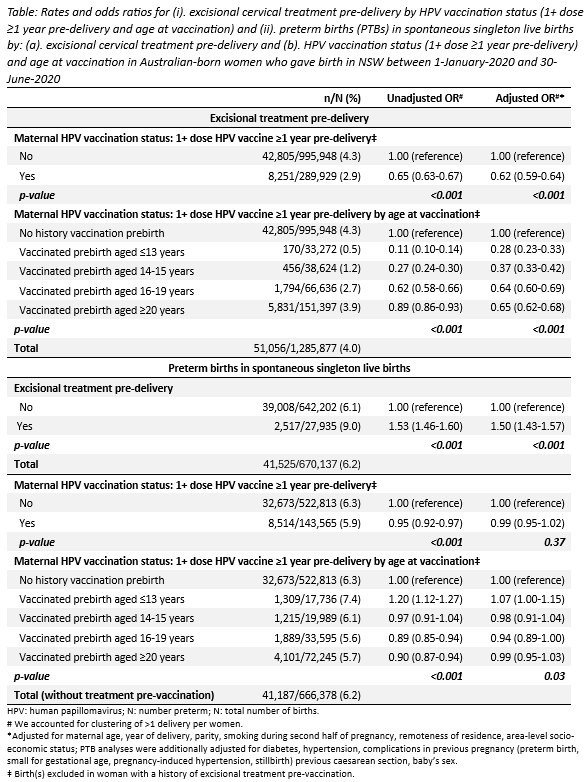
Using individually-linked data for Australian-born women who gave birth in NSW (1-January-2000 to 30-June-2020), we estimated rates and odds ratios (ORs) for (i) excisional treatment by 1+dose-HPV vaccination status and vaccination age; (ii) PTBs in women with spontaneous singleton liveborn deliveries by (a) previous excisional precancer treatment and (b) HPV vaccination status (1+ dose-HPV vaccine ≥1 year pre-delivery) and vaccination age. We adjusted for maternal age, delivery year, parity, smoking, socio-economic status and remoteness of residence, plus PTB risk factors (excluding excisional treatment) in PTB analyses (Table).We restricted the analysis to Australian-born women to reduce misclassification (overseas-born women may have been vaccinated/treated overseas).
Results:
Among 1,285,877 births, compared to unvaccinated women, previously vaccinated women had lower pre-delivery treatment odds (adjusted OR [aOR]:0.62,95%CI:0.59-0.64) (Table).
Among670,137 spontaneous live singleton births, 6.2% were preterm. Mothers treated pre-delivery had increased PTB odds (aOR:1.50,95%CI:1.43-1.57). After adjustment, no significant difference in PTBs was found in vaccinated compared to unvaccinated mothers (aOR:0.99,95%CI:0.95-1.02). Vaccination age had an overall effect on PTBs (p=0.03), with a slight decrease in those vaccinated aged 16-19 years compared to unvaccinated mothers (p=0.04) (both adjusted).
Conclusion:
We confirmed an increased PTB risk in previously treated women and found HPV vaccination reduced excisional treatment risk. While we found no difference in PTBs in vaccinated compared to unvaccinated mothers, we identified a protective effect in those vaccinated aged 16-19. As many factors contribute to PTB, pooling international data may be needed to detect an impact of HPV vaccination.
Background: Indonesia has the highest rates of cervical cancer (CC) mortality in Southeast Asia, mainly due to poor access to and low uptake of cervical screening. Indonesian midwives are primarily responsible for conducting cervical screening, yet there is very limited research on their relevant knowledge, training and capacity to provide screening.
Objective: This study explored midwives’ experiences of cervical screening training and their knowledge related to CC, cervical screening using Visual Inspection with Acetic Acid (VIA), and Human Papillomavirus (HPV) DNA testing in East Nusa Tenggara, Indonesia.
Design: A qualitative study design was employed, based on primary data collected through fieldwork using semi-structured interviews and supplemented by a knowledge assessment questionnaire.
Methods: Twenty-four midwives across two districts, one semi-urban and one remote, participated. Qualitative data were analysed using a codebook thematic analysis approach, and questionnaire data were descriptively analysed.
Results: Midwives’ mean knowledge score was 75%, with midwives trained in cervical screening scoring higher than untrained midwives. Our findings highlighted inequitable access to training, with midwives in the more urban district having more access to training and higher knowledge. Midwives emphasised that adequate training and continuous practice of the VIA were crucial to building confidence in service delivery. Key knowledge gaps included poor understanding of the relationships between HPV infection, pre-cancer lesions, CC and its prevention. Midwives’ poor knowledge of CC aetiology and asymptomatic pre-cancer lesions resulted in only recruited women who came with associated symptoms.
Conclusions: Geographical inequality in human resource investment in remote areas limits women’s access to quality cervical screening and impedes progress towards CC elimination. Supporting midwives through thorough and up-to-date training, including HPV DNA testing, is essential to increase screening access and uptake, and for the transition to HPV DNA testing.
Introduction: A woman dies of cervical cancer in Africa roughly every two minutes, yet this remains one of the most preventable cancers known to medicine. Human papillomavirus (HPV) drives virtually all cervical cancer cases, but whether HPV status fundamentally reshapes the tumour transcriptome and immune microenvironment — exposing therapeutic vulnerabilities — remains incompletely characterized. This study interrogates that question using publicly available patient genomic data.
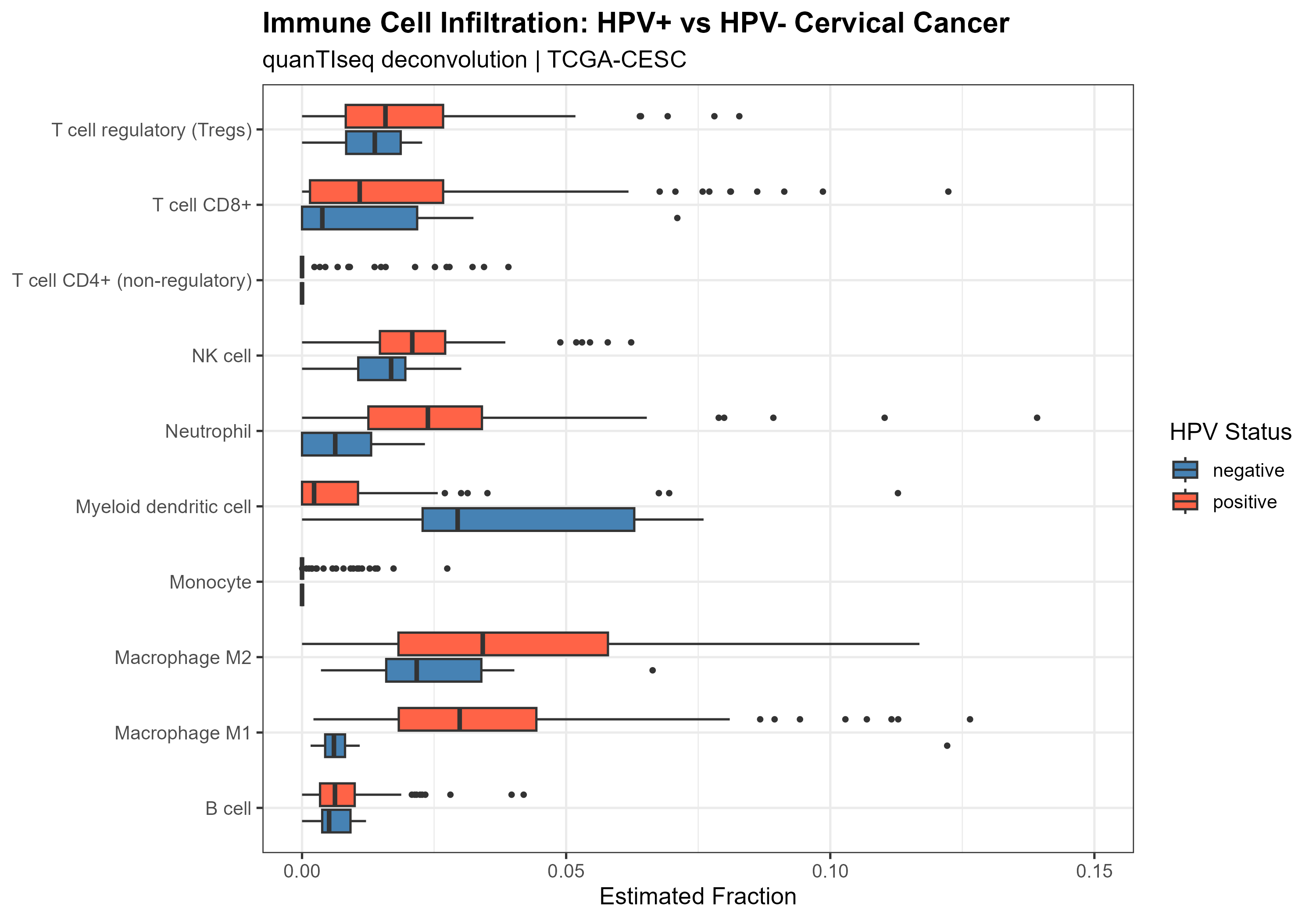
Methods: RNA-sequencing data from 178 primary cervical tumours from The Cancer Genome Atlas (TCGA-CESC) — 169 HPV-positive and 9 HPV-negative — were analysed using DESeq2. Differentially expressed genes (DEGs) underwent Gene Ontology (GO) and KEGG pathway enrichment via clusterProfiler. Tumour immune cell composition was estimated using quanTIseq deconvolution, with statistical comparison by Wilcoxon rank-sum test. Druggability of top DEGs was assessed via DGIdb GraphQL query.
Results: We identified 5,395 significant DEGs (padj<0.05, |log2FC|>1). The top upregulated gene, CDKN2B-AS1 (log2FC=3.2, padj=8.1×10⁻²⁷), is a lncRNA directly implicated in HPV E7-driven p16 suppression. GO and KEGG enrichment was dominated by immune terms, including leukocyte-mediated cytotoxicity and viral protein-cytokine interactions. Immune deconvolution revealed a 13-fold depletion of myeloid dendritic cells in HPV+ tumours (p<0.001), alongside elevated M1 macrophages and neutrophils, suggesting antigen-presentation failure rather than cytotoxic T-cell exclusion as the primary evasion mechanism. DGIdb screening identified AXIN2, a significantly downregulated Wnt-pathway regulator, as currently undrugged — a candidate for structure-based drug discovery.
Conclusions: HPV+ cervical cancer selectively depletes antigen-presenting cells, disrupting the innate-to-adaptive immune bridge without globally excluding immune infiltrates. AXIN2 represents a novel, biologically rational therapeutic target. Findings warrant validation in African patient cohorts, where cervical cancer burden is disproportionately concentrated.
Introduction
Small Pacific Island countries face unique challenges in delivering organised cervical cancer screening programs, including limited workforce capacity and the need for efficient health information systems. High-quality screening programs rely on timely, complete data across screening, assessment, and treatment to support patient follow-up and program monitoring. In Nauru, clinical care is documented in Tamanu, the national electronic health record (EHR), while cervical cancer screening data are reported to canSCREEN, the national screening registry. To improve data quality and reduce manual reporting, an automated process was developed to transfer information between the two systems.
Methods
A daily automated data export transfers information from three clinical forms in Tamanu - Cervical Screening, Visual Assessment for Treatment (VAT), and Treatment - to canSCREEN. The export includes patient demographic information together with the clinical data required for cervical cancer screening surveillance, including screening results, laboratory sample identifiers, visual assessment findings, treatment details, and outcomes. Internal system identifiers and other unnecessary technical information are excluded to support data minimisation and patient privacy.
Results
The integration has operated continuously since September 2025. During the reporting period, data were transferred for 906 women across 1,234 clinical records, including 1,036 cervical screening records, 107 VAT records, and 91 treatment records. Every cervical screening record included a valid laboratory Sample ID, enabling complete linkage between screening encounters and laboratory results. The automated workflow has replaced routine manual data transfer, improving the timeliness and completeness of data available for national screening surveillance.
Conclusion
Integrating the national EHR with the cervical cancer screening registry has strengthened surveillance by improving data completeness, reducing manual reporting, and supporting timely program monitoring. This pragmatic, low-maintenance approach demonstrates how digital health infrastructure can support cervical cancer elimination in small Pacific Island countries and provides a model that can be adapted in other settings seeking to strengthen organised screening programs.
INTRODUCTION
While Australia is a recognized leader in CC elimination, Brazil continues to face challenges in achieving equitable implementation of the World Health Organization (WHO) 90-70-90 targets. Despite incorporating the technologies into its public healthcare system, Brazil still faces disparities in access to care, vaccination hesitancy, and barriers to workforce engagement. We describe the EVA Gynecologic Cancer Group's contribution to CC elimination efforts in Brazil and explore opportunities for collaboration between Brazil and Australia.
METHODS
A descriptive review of EVA institutional activities was conducted using publicly available data and reports from 2010 to 2026.
RESULTS
Founded in 2010, EVA has become one of the largest multidisciplinary gynecologic oncology organizations in Latin America, comprising 1,232 members throughout Brazil. A major milestone was the Strategic Alliance Partnership with the International Gynecologic Cancer Society (IGCS), which integrated over 700 EVA members into a global network of 10,000 professionals.
EVA's educational infrastructure includes annual scientific meetings, medical education programs, open tumor boards, webinars, podcasts, patient-focused educational initiatives, awareness campaigns, and scientific collaborations. EVA has also participated in national advocacy efforts through the "Brazil Without Cervical Cancer" Movement. This multidisciplinary initiative brings together medical societies, patient organizations, policymakers, and healthcare professionals to support HPV vaccination, organized screening, equitable access to treatment, and public awareness campaigns. The symbolic illumination of the Christ the Redeemer monument during CC Elimination Day has further strengthened public engagement on the topic.
Australia's success in eliminating CC offers valuable lessons for Brazil. Collaboration between EVA, Australian institutions, and IGCS may create opportunities for shared initiatives.
CONCLUSION
The EVA model demonstrates how a national professional society can strengthen efforts to eliminate CC through education, advocacy, research, and international engagement. Collaboration between Brazil and Australia may accelerate progress toward WHO targets while promoting equitable access to prevention and care.
Introduction: Self-collection (SC) for HPV testing was introduced into Australia’s National Cervical Screening Program on 1 December 2017 for people aged >=30 years who were overdue for screening by at least two years or had never-screened. In July 2022, SC eligibility was expanded and SC was offered as a choice alongside clinician-collection (CC) to all screen eligible people. This analysis examines SC uptake, HPV positivity and follow up patterns during the first eight years of the renewed program, highlighting progress while identifying ongoing challenges for cervical cancer elimination.
Methods: Using data from the National Cancer Screening Register, we monitored SC uptake as a proportion of all cervical screening tests conducted between 1 January 2018 and 31 December 2025. Uptake was examined by age group, geographical remoteness and socioeconomic status. HPV positivity and compliance with recommended follow-up pathways were also assessed.
Results: Following SC eligibility expansion in July 2022, SC uptake increased steadily and by 2025 accounted for almost half of all screening tests nationally. Uptake was highest among people overdue for screening by >=10 years, those living in very remote and socioeconomically disadvantaged areas, and those aged 70–74 years. HPV positivity rates were higher in SC samples. Almost 80% people with HPV 16/18 detected received recommended follow-up within 6 months. Preliminary analyses suggest that departures from recommended clinical management pathways, including off-protocol testing, may contribute to delays in follow-up. Further analyses of follow-up and timeliness incorporating more recent data will be presented at the conference.
Conclusions: The expansion of SC to all screen eligible people represents significant progress towards equitable access to screening in Australia. However, ensuring timely and appropriate follow-up after HPV detection will be an important focus for ongoing cervical cancer elimination efforts.
Introduction:
Despite Australia approaching cervical cancer elimination, some women will continue to be diagnosed with locally advanced disease (LACC). Concurrent chemoradiation with brachytherapy (CCRT+BT) remains the standard of care, yet 30–35% of patients experience disease progression. Immunotherapy has demonstrated benefit in metastatic disease and is now being evaluated for LACC. We conducted a systematic review (SR) and GRADE Evidence-to-Decision assessment to inform the first Australian Cervical Cancer Management Guidelines (ACCMG).
Methods:
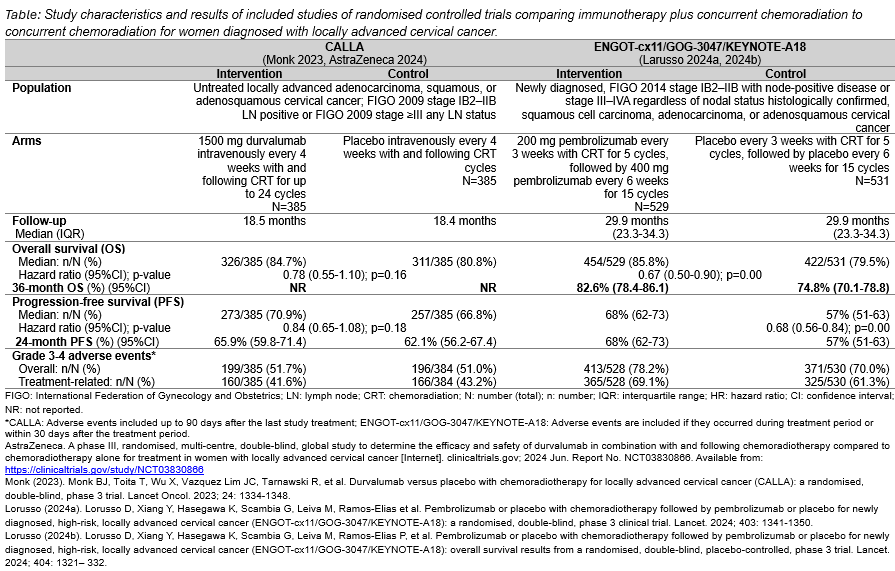
A SR was undertaken following PRISMA 2020 guidelines comparing immunotherapy in combination with CCRT (I+CCRT) with CCRT in women with LACC (FIGO 2018 stage IB3, IIA2-IVA). We included randomised controlled trials or SRs thereof. Outcomes of interest included overall survival (OS), progression-free survival (PFS), grade 3-4 adverse events (AE) and quality of life (QoL). Searches using MEDLINE, EMBASE, and Cochrane databases identified one previous SR (Zhao 2024), which we updated. In consultation with the ACCMG Working Party (WP), 3+-year (preferably 5+-year) OS and QoL were identified as critical outcomes to inform the recommendation process.
Results:
Two trials met inclusion criteria: CALLA (durvalumab) and ENGOT-cx11/GOG-3047/KEYNOTE-A18 (pembrolizumab) (Table). Only KEYNOTE-A18 reported both critical outcomes. Three-year OS was significantly higher in the pembrolizumab (82.6%) versus the control arm (74.8%) (hazard ratio 0.67, 95% confidence interval: 0.50–0.90, p=0.00). No significant difference in QoL between the two arms at 36 weeks was observed.
Conclusion:
The ACCMGWP conditionally recommended the addition of pembrolizumab to CCRT+BT for patients with 2018 FIGO III/IVA disease regardless of PD-L1 status, noting that shared decision-making should include discussion of immunotherapy-related AEs and patient preferences. Government subsidisation of pembrolizumab for LACC has since been announced ensuring equitable access. Recommendation and subsidisation decisions were based on improvement in 3-year OS (5-year OS data are pending). Further research exploring biomarker‑guided patient selection is warranted.
Introduction:
Loss to follow-up after treatment for cervical precancer is a major challenge in cervical cancer prevention programs in high-burden settings, including Papua New Guinea. We report 12-month follow-up outcomes from an HPV screen-and-treat clinic in Southern Highlands Province (SHP), PNG, where high retention was achieved among women treated with thermal ablation.
Methods:
Women who tested positive for HPV and received thermal ablation were invited to return for routine follow-up at 12 months. The clinic model incorporated culturally adapted health education delivered in local languages, community engagement activities, and longitudinal tracking of women requiring follow-up. Follow-up attendance at 12 months was assessed using routinely collected program data.
Results:
Between June 2024 and June 2026, more than 7,600 women underwent HPV screening in Southern Highlands Province, with approximately 20% testing HPV positive. In accordance with the Papua New Guinea National HPV Screening Guidelines, women eligible for treatment received thermal ablation and were scheduled for repeat HPV screening at 12 months. More than 60% returned for 12-month rescreening, representing a high follow-up rate in a high-burden, resource-constrained setting where loss to follow-up is a common challenge.
Conclusions:
High follow-up rates were achieved in a setting where retention after treatment is often challenging. While further research is needed to understand drivers of retention, culturally adapted health education, community engagement, and sustained relationships between the clinic and communities may have contributed to these outcomes.
Introduction:
Modelling in 2019 used to predict elimination timing in Australia assumed timely initiation of screening at the recommended age of 25 (74% attended by age 26), but as at end-2024, only 50% of those aged 25-29 years were up-to-date with screening. To assess whether individuals are initiating HPV screening as recommended in Australia, we estimated the proportion of screen-eligible individuals who had an HPV test before their 26th birthday.
Methods:
Using National Cancer Screening Register data, we estimated the proportion of individuals turning 25 between December-2017 and June-2023 who initiated screening on-time (defined as ≥1 HPV test between age 24 years 9 months and <26 years). Estimates were calculated as a proportion of those previously unscreened (true first-time screeners) and of all individuals turning 25 (regardless of prior screening), and stratified by demographic variables.
Results:
Timely attendance rates for an HPV test in the 2023 cohort were 27.4% (20,497/74,934) by true first-time screeners and 25.0% (24,149/96,476) among all 25-year-olds. Timely initiation showed a clear socio-economic gradient, with substantially higher rates in the least versus most disadvantaged areas (true first-time: 34.1% vs 21.6%, all 25-year-olds: 30.7% vs 20.4%). Timely initiation rates were lower in those living in ACT (true first-time: 24.1%, all 25-year-olds: 23.0%), NSW (true first-time: 25.5%, all 25-year-olds: 23.4%), and major cities (true first-time: 26.5%, all 25-year-olds: 24.5%), while rates were relatively higher in those living in Tasmania (true first-time: 37.0%, all 25-year-olds: 32.5%) and inner regional areas (true first-time: 32.1%, all 25-year-olds: 28.1%).
Conclusions:
Concerted action is needed to achieve initiation near the recommended age, as this is very low throughout Australia. Disparities were observed by area-level socio-economic status, state/territory, and (to a lesser extent) by remoteness, sometimes differing from those seen in broader screening participation measures. These data emphasise the need for updated modelling to understand the effect on elimination timing and new interventions to increase timely initiation.
Introduction
Inequities in cervical screening participation among Aboriginal and Torres Strait Islander peoples contribute to delayed progress towards cervical cancer elimination. In Victoria, certification pathways for non-medical Cervical Screening Providers have traditionally been promoted to nurses and midwives, with known barriers for Aboriginal Health Practitioners (AHPs). It Starts With Me is a partnership between VACCHO, CCV and ACPCC, supported by the Australian and Victorian Governments in alignment with the National Strategy for the Elimination of Cervical Cancer, to expand certification pathways through a culturally safe, self-determination driven training model for the Aboriginal health workforce.
Methods
Co-design was used to adapt the existing cervical screening certification pathway for AHPs. A Cultural Governance Group led decision-making across project design, implementation and evaluation. The program includes a culturally safe training course, wraparound supports for workforce and their workplaces, alongside adaptation of state certification and endorsement processes. Evaluation intends to measure workforce feedback and screening outcomes in the Aboriginal Community.
Results
The first of three courses have been delivered. Participants reported high satisfaction with course content, cultural safety, and wraparound supports. Early findings indicate increased confidence and readiness to progress toward certification, and willingness to act as ambassadors for their peers. The self-determination led approach was identified as critical to ensuring cultural safety and workforce engagement.
Conclusions
This project strives to address the challenge of how a largely non-Indigenous project team can ensure a self-determination driven approach through co-design and cultural governance to address workforce barriers and improve access to culturally safe screening.Early project implementation has highlighted the importance of system flexibility and initial workforce support of a new and sustainable screening workforce.Lessons from this model have broader relevance for strengthening equitable screening access and accelerating progress toward cervical cancer elimination.<span class="EOP SCXW144496967 BCX8" style="-webkit-tap-highlight-color:transparent;-webkit-text-stroke-width:0px;-webkit-user-drag:none;font-style:normal;font-variant-caps:normal;font-variant-ligatures:normal;font-weight:400;letter-spacing:normal;line-height:20.85px;margin:0px;orphans:2;padding:0px;text-align:left;text-decoration-color:initial;text-decoration-style:initial;text-decoration-thickness:initial;text-indent:0px;text-transform:none;user-select:text;white-space:normal;widows:2;word-spacing:0px;" data-ccp-props="{" 134233117":false,"134233118":false,"201341983":0,"335551550":1,"335551620":1,"335559685":0,"335559737":0,"335559738":0,"335559739":160,"335559740":278}"="">
Introduction:
Australian research conducted after the broadening of eligibility criteria for cervical screening test (CST) self-collection in 2022 demonstrated that despite the opportunity to improve screening participation, concerns persisted amongst general practitioners (GPs) and engagement by GPs and patients was suboptimal.
This study aimed to examine Australian GPs’ current attitudes towards and clinical experiences of CST self-collection, the factors that affect these as well as GPs’ perceptions of their patients’ attitudes and experiences.
Methods:
Semi-structured interviews were conducted from July to November 2025 via Zoom with 19 Australian GPs. Participants included 16 females and 3 males, covering each state and territory and Modified Monash categories 1 to 6. Interviews were transcribed and analysed using thematic analysis.
Results:
Four key themes emerged. 1. GPs now perceive self-collection positively. Initial scepticism evolved through education, clinical experience and patients’ positive responses. 2. Self-collection reduces patient and practitioner barriers. Male GPs can offer it comfortably, promoting continuity of care and self-collection removes the anxiety, embarrassment and avoidance associated with speculums so patients with various physical, psychological or cultural factors can comfortably engage. 3. Self-collection provides a time benefit and can be briefly added to a consult, with the trade-off that other women’s and preventative health issues usually discussed with CST are missed. 4. More education and awareness is needed as many patients remain unaware of self-collection or lack the confidence to perform it.
Conclusion:
Positive progress in CST self-collection engagement by both patients and practitioners has occurred, however patient awareness and confidence can be improved. Concerns regarding providing comprehensive preventative care persist.
These insights can be applied by GPs clinically and in public health policy to increase CST engagement.
Introduction
The National Cervical Screening Program encourages cervical screening as effective and safe at all stages of pregnancy. Offering an HPV test in pregnancy has the potential to considerably improve outcomes for never- and under-screened women. This study assessed implementation of screening during pregnancy (SDP) in hospitals and pilot data to estimate the potential impact of SDP statewide implementation.
Methods
Data were National Cancer Screening Register (NCSR) HPV primary cervical screening tests (CST) collected in NSW hospitals 2019–2025 from women aged 25–49, and participation rates in local health districts (LHD). Perinatal Data Collection provided annual number of mothers of the same age giving birth in hospitals. eMaternity data from an 18-month pilot of SDP at Westmead hospital measured acceptability and achievable SDP rate. The SDP rate was then used to estimate number of additional women tested if SDP was implemented statewide, accounting for LHD’s different due/overdue and current CSTs collected in hospitals.
Results
CSTs collected in hospitals across NSW were low in 2020-22 but increased to over 6,000 by 2025, with self-collection dominant. Only 2/15 LHDs had strong adoption of SDP, with 19% and 12% of women giving birth screened in 2025. Five LHDs had higher proportions of women due/overdue for CST (>20%) but low rates of SDP (2-7%). In the Westmead pilot, 48% (2492/5190) of eligible pregnant women were due/overdue, 70% were offered and 94% accepted (65% of eligible women tested). If all LHDs offered SDP, an additional 5,020 women would have a CST annually (>50% of whom would be from three LHDs).
Conclusions
SDP is an acceptable and effective method for reaching women due for cervical screening and has the potential to make a strong contribution to the elimination of cervical cancer. Implementation in hospitals with low SDP rates in LHDs with higher due/overdue rates could be impactful.
Introduction
Aotearoa New Zealand’s transition to HPV primary screening created new opportunities to improve participation through self-testing. However, inequities in access persist for Māori, Pacific peoples, rural communities, and people not enrolled with primary care. The National Cervical Screening Programme (NCSP) recognised that the clinical workforce alone could not achieve equitable access or support cervical cancer elimination goals. NCSP developed a workforce expansion model enabling trained unregistered health workers, known as HPV Screening Kaimahi, to facilitate HPV self-testing within a structured professional partnership model.
Methods
The HPV Screening Kaimahi role was developed through co-design with kaimahi, nurses, managers, and screening support services. Six focus groups and workshops explored workforce capabilities, implementation requirements, cultural safety, and participation barriers. Findings informed a national competency framework, learning pathway, quality framework, and professional partnership model with responsible clinicians. The initiative was piloted with Screening Support Services, expanded to NCSP regional coordination teams, and is now being tested within Primary Health Organisation/Hauora to inform wider primary care implementation.
Results
Participants identified kaimahi as trusted navigators who bring community relationships, language skills, cultural understanding, and flexible ways of working. These strengths can improve participant experience, reduce clinical barriers, strengthen engagement, and support culturally safe screening for priority populations.
Implementation has created a new non-clinical screening workforce able to support HPV self-testing, supporting specialist clinicians to focus on complex care, follow-up, and diagnostic and treatment pathways. The model is scalable, aligns with Te Tiriti o Waitangi principles, and supports sustainable delivery through trusted community-based providers.
Conclusions
The HPV Screening Kaimahi initiative shows how workforce innovation can support cervical cancer elimination by addressing barriers beyond clinical service availability. Embedding trained community-based kaimahi in cervical screening delivery provides a culturally responsive approach to improving access, strengthening engagement, and supporting equitable participation.
Background: Papua New Guinea has the highest cervical cancer incidence and mortality rates in the Western Pacific which attributes to 1500 death annually in Papua New Guinea. The Western Highlands Provincial Health Authority are the first location in LMIC in the Pacific to successfully implement the WHO global strategy targets at a population level (provincial population of 460,000). This abstract sets out key learnings from this program.
Method: The screening program began in May 2022 targeting eligible women aged 30-59 years using the ‘hub-and-spoke’ approach, a fixed clinic, as well as day and rural outreach in four districts of Western Highlands. Screening consisted of self-collection with Point of care testing using GeneXpert machines. Women who tested HPV positive were consented and treated with thermal ablation, with those ineligible referred for further gynaecological review.
Results: To date a total of 28,700 girls have been vaccinated (96% of target of estimated 30,000 eligible girls). A total of 32,669 women were screened (78% of target of estimated 42,000 eligible women). 21% of women screened were HPV positive (n=6736), 85% had same day treatment with thermal ablation (n=5689) and 2% of women were referred (n=734). Key learnings to be presented include (but are not limited to):
why and how same-day screen and treat was strictly adhered to;
how patient education overcame barriers to treatment;
effectively planning for outreach utilising canSCREEN data;
where loss to follow up occurs for those referred and how to mitigate this; and
how learning may be applied for other screening programs and / or integration of programs in the future.
Conclusion: WHO strategy for elimination of cervical cancer can be successfully implemented in an LMIC as shown by this program. Sharing of challenges and solutions across countries can strengthen program implementation.
Introduction
HPV primary screening improves sensitivity for cervical disease but creates increasingly complex, risk-based follow-up pathways. Clinicians and screening coordinators must reconcile current HPV and cytology results with screening history, self-testing status, test-of-cure requirements, referral context, and incomplete data across multiple systems. We developed CerviGrade to support consistent, auditable triage while preserving clinical judgement.
Methods
A functional proof-of-concept was developed using synthetic cases modelled on Aotearoa New Zealand cervical screening pathways. CerviGrade ingests simulated batch data from laboratory, eReferral, and screening-register sources and applies a deterministic, guideline-aligned rules engine. Cases are placed in a prioritised reviewer queue, with urgent and mandatory-review cases flagged. The interface presents relevant history, guideline rationale, missing-data warnings, and a provisional next action. Clinicians can accept, modify, or request further information. Finalised decisions generate structured, integration-ready outputs and a complete audit trail. The workflow was iteratively refined using technical testing and clinical workflow feedback.
Results
Early evaluation showed that a stand-alone, single-case calculator offered limited operational value, prompting redesign as an end-to-end batch triage workflow. The resulting prototype reproducibly processes synthetic case batches, prioritises higher-risk cases, displays transparent decision logic and safety constraints, records reviewer actions, and produces simulated HL7/FHIR-compatible export packages. The system is demonstration-ready but has not yet been integrated with live clinical systems or prospectively validated.
Conclusions
CerviGrade demonstrates the feasibility of a clinician-in-the-loop workflow layer for cervical screening triage and referral management. Formal clinical validation, usability testing, interoperability assessment, privacy and security review, and prospective pilot evaluation are required to determine effects on triage time, decision consistency, timely escalation, auditability, and equity.
Introduction:
Despite Australia’s progress towards cervical cancer elimination, screening participation remains lower among Aboriginal and Torres Strait Islander peoples, culturally and linguistically diverse (CALD) communities, and LGBTQ+ populations. The Australian Government funded ‘Own It’ campaign was developed to increase awareness of self-collection cervical screening among those who experience barriers to routine screening. The campaign was delivered in partnership with ACON, the National Aboriginal Community Controlled Health Organisation (NACCHO), the Australian Multicultural Health Collaborative (AMHC), and the Australian Centre for the Prevention of Cervical Cancer (ACPCC).
Methods:
The campaign was co-created with specialist community-based agencies from priority populations, to ensure equity, cultural relevance, and authenticity. Campaign effectiveness was evaluated through three surveys conducted at baseline (August 2024), midpoint (January 2025), and campaign completion (September 2025), measuring campaign recall and awareness of self-collection among priority populations. Qualitative interviews explored participants' perceptions of the campaign, and behavioural intentions.
Results:
Campaign awareness reached 29% and among target audiences was 1.8 times higher than the general population (37% vs 21%). Awareness of self-collection rose from 49% at baseline to 71% at campaign completion among participants who recalled the campaign. Awareness was 1.8 times higher than in the general population at final evaluation. In qualitative interviews following the campaign, participants reflected that the campaign was their first exposure to the option of self-collection. Case studies demonstrated increased willingness to screen among individuals who had otherwise avoided screening. More than half (53%) of the target population in evaluation agreed that they felt encouraged to test because of the advertising.
Conclusion:
A community-driven, equity-focused campaign was highly effective in increasing awareness of self-collection cervical screening among populations experiencing barriers to participation. These findings highlight the importance of culturally safe and community-led strategies in reducing screening inequalities and supporting Australia’s pathway to cervical cancer elimination.
Introduction:
Pregnancy provides a key opportunity to assess cervical screening history and offer screening, particularly for women with limited healthcare contact. We aimed to understand the number of under- or never-screened women in NSW that could be reached through antenatal and postpartum care, the extent to which this was already occurring, and factors associated with screening participation during pregnancy and post-partum.
Methods:
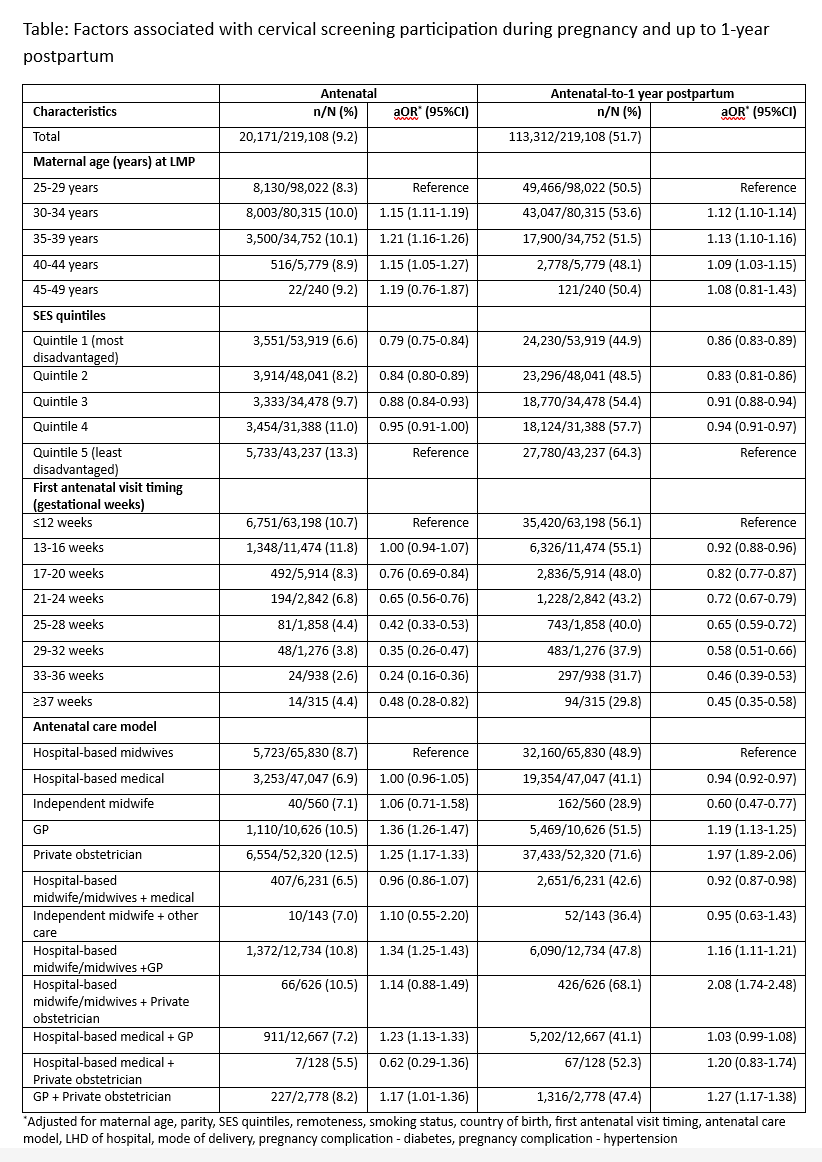
Using a population-based linked dataset of the NSW Perinatal Data Collection and Pap Test Register, we identified women who gave birth in NSW during 2007-2015 and aged 25-49 years at estimated last menstrual period (LMP) (baby’s date of birth minus gestational age in weeks) used as a proxy for start of pregnancy). We estimated the proportion overdue for cervical screening (no cytology test in previous three-years) at LMP; among these, the proportion screened by one-year-postpartum, overall and by maternal and health service characteristics; and examined factors associated with screening during the antenatal period and up to-one-year-postpartum.
Results:
Of 685,120 pregnant women, 219,108 (32.0%) were overdue at LMP. Of these, 9.2% (n=20,171) were screened during the antenatal period, and 42.5% (n=93,141) during the first-year postpartum (51.7% screened overall). Women were less likely to be screened during the antenatal-to-one-year-postpartum period if they lived in the most (vs least) disadvantaged quintile (adjusted odds ratio (aOR):0.86;95%CI:0.83-0.89) and with later gestational age at first antenatal visit (vs ≤12 weeks), from 17-20 weeks (aOR:0.82;95%CI:0.77-0.87) to 21-24 weeks (aOR:0.72;95%CI:0.67-0.79). Mothers aged 30-44-years (vs 25-29-years) were more likely to be screened (aOR ranging from:1.09 to 1.13) as were those receiving antenatal care from GPs (aOR:1.19;95%CI:1.13-1.25) and private obstetricians (aOR:1.97;95%CI:1.89-2.06) (vs hospital-based midwives) (Table).
Conclusions:
There is a substantial missed opportunity for catch-up screening in antenatal and post-partum care. Although these data relate to Pap tests, failure to catch-up screening during the extended post-partum period remains relevant to HPV-based screening, suggesting that strategies to systematicallyoffer screening during antenatal care, now further enabled by self-collection, are needed.
Background: Human Papillomavirus (HPV) vaccination is a key public health intervention aimed at preventing cervical cancer among adolescent girls. Western Highlands Province introduced the HPV vaccination program as part of a donor funded cervical cancer elimination program, targeting girls aged 9–14 years through school-based and community outreach approaches.
Methods: A descriptive review of program implementation data from August 2024 to June 2026 was conducted across the four districts of Western Highlands Province: Hagen Central, Tambul-Nebilyer, Mul-Baiyer Lumusa, and Dei. Data were analyzed on vaccination coverage, school reach, health worker training, community engagement activities, and adverse events following immunization (AEFI).
Results: A total of 28,828 eligible girls received HPV vaccination, achieving 96% of the provincial target of 30,000 doses. School-based delivery accounted for 95% of all vaccinations. Hagen Central recorded the highest number of vaccinated girls (13,481), followed by Tambul-Nebilyer (8,049), Mul-Baiyer Lumusa (4,585), and Dei (2,713). Of the 507 registered schools, 370 schools (73%) were reached by the end of Quarter 2, 2026. Community awareness activities included 481 information sessions reaching 76,072 participants. A total of 97 non-serious AEFI cases were reported, mainly dizziness, headache, and fainting, with no serious AEFI documented. The program also vaccinated girls with disabilities and eligible HIV-positive girls, although follow-up for subsequent doses among HIV-positive recipients remained a challenge.
Conclusion: The HPV vaccination program in Western Highlands Province achieved high coverage and is now progressing to integrating HPV vaccine into routine immunisation and school health programs. Collaboration between the Provincial Health Authority, Department of Education, WHO, UNICEF, and community stakeholders contributed significantly to program success. Continued efforts are needed to improve coverage in hard-to-reach districts, strengthen health facility reporting, and enhance strategies for vaccinating out-of-school girls, girls with disabilities, and HIV-positive adolescents. This presentation will explore the challenges and key drivers of success of the program and consider learnings for the impending national introduction of HPV vaccine in Papua New Guinea in September 2026.
Introduction: Uptake of cervical cancer screening is especially low among older populations and lesbian, bisexual, and queer (LBQ+) ciswomen. Self-collection for HPV testing is a promising strategy to increase cervical cancer screening in older LBQ+ ciswomen.
Methods: From August through November 2025, semi-structured interviews were conducted with 27 older LBQ+ in Chicago, Illinois. Potentially eligible participants were recruited through a large university health system, LBTQ+ community-based organizations, and snowball sampling. Interview transcripts were analyzed through inductive and deductive thematic analysis.
Results: Although many participants maintained regular cervical cancer screening and viewed screening as important for their health, they described the procedure as uncomfortable and often painful. Many participants initiated and continued screenings based on recommendations from their healthcare providers, while other participants were prompted by family members or witnessing someone close to them experience cancer. Most (n=26, 96.3%) participants had not heard of self-collection for HPV testing, and acceptability was mixed. Positive acceptability was driven by perceived autonomy, comfort, and convenience. Negative acceptability reflected preferences for clinician-collected largely due to limited confidence in the accuracy of self-collected specimens. Participants across the range of acceptability of HPV self-collection expressed a desire for an at-home option and remarked that it would increase convenience and accessibility for those who currently refuse or cannot access cervical cancer screening.
Conclusions: Healthcare providers play an important role in the initiation and continuation of cervical cancer screenings. More detailed and patient-centered communication about cervical cancer screening is needed. Framing HPV self-collection as a reliable, accurate option that enhances autonomy, comfort, convenience, and access to cervical cancer screening may increase uptake of CCS in under-screened populations.
Introduction
Aotearoa New Zealand’s (NZ) human papillomavirus (HPV) vaccination program is failing our children. NZ has very low HPV vaccination coverage overall, with inequitable access for tamariki Māori and children in rural areas. National vaccine coverage for 14 year-olds in the 2025 April/June quarter was 49% for Māori and 63% for Europeans. In comparison, Australia’s 2024 vaccine coverage was 79% for First Nations females (83% overall) and 73% for First Nations males (81% overall).
The health and economic cost of not addressing poor vaccination coverage is high. The economic burden of preventable HPV-related cancers in NZ was estimated at $140,400,000 between 2019-2022. The HPV vaccine is safe. It is proven to prevent cervical cancer and will also prevent other HPV-related cancers such as head and neck and anal cancers. There is an urgent need to examine why the vaccination program is failing and to trial community driven models to increase coverage equitably and prevent morbidity and mortality from HPV cancer.
We hypothesise that community co-designed interventions will increase HPV vaccination coverage with the goal of eliminating HPV related cancers. Here we present the methodology of this new research.
Methods
Working in partnership with communities, we will use a mixed methods design, underpinned by Kaupapa Māori methodologies. Guided by kaumātua (elders), we will identify priorities, supports and enablers for informed whānau vaccination participation. We will co-design, test, analyse and quantify integrated models of vaccine delivery that harness community knowledge. We will assess whether HPV vaccination coverage increases after implementation of co-designed interventions and identify community responses to trialling new approaches to HPV vaccination information and delivery.
Conclusions
If successful, this Tūāpapa Māori research will increase HPV vaccination coverage, leading to reduced preventable harm and death for our children from HPV related diseases and substantially reduced public health costs.
Building on community expertise, our research will gather knowledge to positively influence health delivery policy, practice, and systems.
Introduction
To address barriers to accessing face-to-face care, telehealth may be used for cervical screening consultations followed by mail-out of a self-collection swab. Telehealth is increasingly used to offer screening, however, it has not been evaluated in Australia. We evaluated the implementation of Sexual Health Victoria’s nurse-led telehealth cervical screening service to assess its acceptability and identify factors impacting its clinical quality and sustainability.
Methods
We conducted an online survey (n=36) and semi-structured interviews (n=15) with clients and clinical staff (n=2). Quantitative data were analysed descriptively and qualitative data thematically. Findings were synthesised using Model for Assessment of Telemedicine domains: organisational aspects, patient perspectives and safety.
Results
Between May-September 2025, 75 telephone consultations were conducted. Sixty-six clients were eligible for self-collection and were mailed a swab. Fifty-seven clients returned a sample and HPV was detected in 10. All attended follow-up.
Organisational aspects: Consultations were conducted by a nurse cervical screening provider, and clinical oversight was provided by a general practitioner via task-sharing. However, as nurses are unable to offer screening autonomously, capacity to expand the service was limited. A strong partnership with a pathology provider supported service sustainability.
Patient perspectives: Clients were highly satisfied, most using the service because it was more convenient (89%). Clients interviewed discussed how the service made it easier to access screening and that they were confident in conducting self-collection at home.
Safety: To ensure appropriate management of symptoms, the nurse used an autofill (shortcut text in clinical software) to structure appointments. Robust follow-up pathways ensured local access to care.
Conclusions
Our findings highlight the acceptability of using telehealth to conduct screening consultations and how clinical governance processes can ensure safe and appropriate delivery. Alternative funding models are required to support the sustainability of telehealth services and enable nurses to work to their scope of practice.
Introduction:
Since 2022, the Australian National Cervical Screening Program guidelines state that women and people with a cervix should be offered a choice between a clinician-collected or self-collected cervical screening test. Previous research suggests that screen-eligible people have various unmet informational needs when making decisions about cervical screening. This study sought to evaluate web-based information on self-collection and the extent to which it meets the informational needs of people with a cervix.
Methods:
To understand the informational needs of screen-eligible people, we conducted a secondary analysis of interview data collected from the Understanding Choice project, which interviewed 43 recently screened participants. This analysis, alongside validated assessment tools, informed the development of an evaluation checklist with three domains: content, accessibility, and inclusivity. An online search was performed using consumer-informed search terms. Consumer-facing websites in English published by Australian organisations were included and evaluated using the checklist.
Results:
The interview analysis found that participants wanted information about the screening journey, the self-collection test, and clear instructions to support self-efficacy. Participants wanted information that was inclusive, available in multiple languages, and in plain language. A Google search using the terms “self-swab cervical screening test” identified ten eligible websites. All ten websites had excellent information design and used gender-inclusive language. All websites exceeded recommended readability levels. Websites varied in the information provided, with several key content areas inconsistently reported or absent. Information on costs and flexible access options was limited, while self-collection instructions varied.
Conclusion:
Australian consumer-facing websites on self-collection include many of the key content areas identified by screen-eligible people, are well-designed, and use inclusive language. Organisations should ensure that the information published on their websites meets the content, accessibility, and inclusivity needs of people with a cervix. The comprehensive evaluation checklist developed provides a practical tool for evaluating consumer-facing health information websites.
Introduction: In Australia, people of lower socioeconomic status experience a higher burden of cervical cancer and lower HPV vaccination coverage. Existing HPV vaccination coverage estimates derived from the Australian Immunisation Register have methodological limitations. Firstly, subpopulations with socioeconomic disadvantage are identified using the area-level ABS Socio-Economic Indexes for Areas (SEIFA). Secondly, coverage estimates do not censor individuals who emigrate from Australia. Thirdly, residential location is derived from one dataset at a single point in time. The Australian Bureau of Statistics (ABS) Person Level Integrated Data Asset (PLIDA) allows each of these limitations to be addressed.
Methods: Using a vaccination coverage tool developed in PLIDA, we examined HPV vaccination coverage among annual cohorts of adolescents turning 15 years from 2020 to 2024 stratified by indicators of socioeconomic status. These indicators include self-reported household equivalised income, time-updated parental income, and parental receipt of social services. Adolescent HPV vaccination coverage was estimated using these indicators and the area-level indices, and also estimated with and without censoring at emigration and with and without reference to the most up-to-date residential location information. Socioeconomic inequalities were assessed using absolute differences, prevalence ratios, and relative risks estimated from Poisson regression models with robust standard errors.
Results: We will report trends in sex- and age-specific HPV vaccination coverage using these individual- and area-level socioeconomic measures and compare estimates against current national estimates over the study period. We will assess whether temporal declines have been steeper among more disadvantaged groups, indicating widening socioeconomic inequalities.
Conclusions: The availability of linked, person-level health and social data has the potential to advance our understanding of socioeconomic disparities in HPV vaccination and how they have changed over time. Such evidence has important policy implications for targeted interventions, which will be increasingly relevant as progress is made towards elimination.
Introduction
Elimination of cervical cancer in our lifetime is within reach. We have the evidence, the proven interventions, and the capability to achieve this through equitable human papillomavirus (HPV) vaccination, screening, early diagnosis, and timely treatment. Aotearoa’s National Cervical Screening Programme (NCSP) offering an HPV self-test to everyone eligible was introduced in September 2023. Cervical screening coverage has increased from 69.1% in May 2023 to 77.0% overall in May 2026 with all ethnicities seeing increased coverage. However, the next steps of diagnosis and treatment are affected by poor planning and workforce shortages, resulting in long wait times. In addition, national HPV vaccine coverage for 14-year-olds in the 2025 April/June quarter was 49% for Māori and 63% for Europeans.
Methods
Te Tātai Hauora o Hine research group recently partnered with the Cancer Society of New Zealand, advocating with policy makers, government, and the health system to eliminate cervical cancer in Aotearoa by 2038. The partnership collaborates with NGOs like Smear Your Mea, a Māori-led health campaign launched in 2017 by the late Talei Morrison to raise awareness about cervical cancer, and the National Kaitiaki group which upholds Māori data sovereignty within the NCSP. We organised two HPV summits including all stakeholders in discussing a collaborative way forward.
Results
The outcome has resulted in our collaborative extending the World Health Organisation’s three pillars to four for Aotearoa: 1. Vaccination, 2. Screening, 3. Diagnosis (including early colposcopy diagnosis) 4. Treatment. Underlying these four pillars are the principles of innovation, transparency, accountability, monitoring and evaluation, cross-party agreement and, of course, equity. As a collaborative we strongly advocated for these pillars to be included in the upcoming Ministry of Health action plan.
Conclusions
We are calling for a cross-party commitment to extend free cervical screening to all who are eligible, to fully fund an equitable cervical cancer action plan including free and timely access to diagnosis (colposcopy) and to urgently increase access to HPV vaccination among school children.
INTRODUCTION
People with disability face multiple and complex barriers to participating in the National Cervical Screening Program (NCSP). Enhancing Equity in Cervical Screening (EECS), a three-year NCSP-funded co-design program, aims to improve participation. Building on the successful ‘Screen Me’ campaign, we recruited 10 lived experience Screening Advocates over 2-years to co-produce a series of webinars and an eLearning course for support workers and family carers. The program also investigated the role of the Personal Representative function in the National Cancer Screening Register (NCSR) and co-created a Cervical Screening Practice Alert for National Disability Insurance Scheme (NDIS) providers.
METHODS
The Advocates undertook a 12-week online training program in co-designing and delivering educational materials about cervical screening. With EECS support, they then co-designed and co-delivered four disability sector webinars and a four-module eLearning course for NDIS workers and family carers incorporating filmed cervical screening role-plays. The role of the NCSR Personal Representative function was investigated through consultations with people with disability, supporters and clinicians. The draft Practice Alert was refined through a modified Delphi process with a range of organisations.
RESULTS
It was found that the Advocates had gained confidence and ability in co-designing and presentation skills. The disability sector webinars, attended by 52 people across Australia, resulted in increased awareness of self-collection and the NCSR Personal Representative function, greater understanding of who needs screening and how screening can be accessed. Evaluation results from the eLearning course and Practice Alert modified Delphi consultations will be presented at ECC2026.
CONCLUSIONS
The Cervical Screening Advocates Program was highly valued by the Advocates themselves. Their authentic lived experience and advocacy strengthened the ability of NDIS workers and family carers to support cervical screening for people with disability. The EECS co-design program offers a replicable framework for the participation of underserved populations across cancer screening programs.
Introduction:
Since July 2022, there has been alignment between the universal access to self-collect for cervical screening and permanent Medicare item numbers for sexual and reproductive health (SRH) telehealth services. Leveraging this opportunity, Clinic 66 (a private national tele-abortion service) has implemented a bulk-billed self-collect mail-out cervical screening model within the context of tele-abortion care.
This project aims to evaluate this newly integrated model.
Methods:
As part of a mixed methods evaluation (ongoing since March 2026), we conducted semi-structured interviews with service providers, analysed data thematically and interpreted findings within a unified conceptual framework for integrated care.
Results:
We interviewed 9 service providers, all experts in women’s health, many of whom have been active in supporting legislative changes to SRH access in Australia.
Participants overwhelmingly described the value in offering screening within tele-abortion care, regardless of uptake, to support patient choice and autonomy. All participants felt that screening strongly aligned with their role as abortion providers and the broader organisational culture of delivering comprehensive and destigmatising women's healthcare.
The data showed variation in how and when screening was offered during the tele-abortion pathway. This reflects existing system processes and clinical governance allowing flexibility in the timing to account for diverse client needs. Strategies to meaningfully integrate screening, included raising it in the first of two tele-abortion consultations can normalise it as part of the service.
Implementation challenges included the time-sensitive nature of abortion care, competing priorities (e.g. STI (sexually transmitted infection) testing and contraception education), client psychosocial needs, client unfamiliarity with screening, limitations of telehealth for follow up care, significant overhead costs and limited screening appointments following tele-abortion.
Conclusion:
Findings strongly support the integration of cervical screening as part of tele-abortion care. However, challenges in uptake remain. We plan to evaluate patient perspectives to help guide future implementation efforts.
Background:
Despite Australia’s progress towards cervical cancer elimination, some priority populations continue to experience lower screening participation, delayed diagnosis, and poorer outcomes.
Through a Commonwealth Federation Funding Agreement – Expanding access to cervical screening services, Canberra Sexual Health Centre (CSHC) implemented targeted approaches to increase awareness, engagement, and participation in cervical screening across the ACT prioritising culturally and linguistically diverse (CALD) communities, LGBTQIA+ people, Aboriginal and Torres Strait Islander peoples, sex workers, and other priority groups.
Methods:
The Cervical Screening Test (CST) Catch-Up Project expanded access to screening through a nurse-led model delivered by CSHC, a publicly funded multidisciplinary health service. The program offered appointment-based clinic screening and community outreach “pop-up” services. CSHC partnered with community leaders and organisations to promote and deliver culturally safe education sessions and flexible outreach screening opportunities tailored to community needs. CSHC followed up clients with abnormal results in accordance with national guidelines and supported continuity of care through primary healthcare providers by sending GP letters for all consenting clients. The first reporting period was from 1 April 2025 – 30 April 2026.
Results:
During the reporting period, 576 CSTs were completed for 572 individuals. Participants included 43.5% from CALD backgrounds, 11.3% identifying as LGBTQIA+, and 6.7% of Australian-born participants identifying as Aboriginal and/or Torres Strait Islander.
Through 62 outreach activities, the program delivered 181 CSTs, 207 STI screens, and 807 individual contacts.
Overall, 44.6% of participants were more than two years overdue for screening, and 44 women who were 5–22 years overdue were successfully re-engaged. The HPV positivity rate was 24.5%.
Conclusion:
The CST Catch-Up Project demonstrates that nurse-led, community-based screening models can successfully engage priority populations, reduce barriers to participation, and re-engage individuals long overdue for screening. These findings support the value of targeted outreach and culturally sensitive care in reducing inequities and advancing Australia’s goal of cervical cancer elimination.
Introduction
Cervical cancer incidence and mortality in Australia are low by global standards, but inequities remain. Novel approaches are required to engage underserved populations and remove barriers to screening. Typically, medical- and system requirements drive clinical resource development. We used a hybrid of Design Thinking and the Double Diamond to develop a consumer-centred self-collection kit for a new nurse-led telehealth cervical screening service.
Methods
The human-centred design methodology was delivered across short, structured workshops of up to 90 minutes. Workshops followed the design thinking stages of Empathise, Define, Ideate, and Prototype & Test. During the Empathise stage, the multidisciplinary team reviewed consumer insights, instructions from comparable services, and relevant literature. In the Define stage, findings were synthesised using empathy mapping and barrier mapping. The Ideate stage involved rapid solution brainstorming to address identified barriers, and then sorting and refining these solutions. Finally, during Prototype & Test, the team reviewed mock-ups of the physical kit, assessed concepts against user needs, and conducted desktop walkthroughs to inform further refinement. Broad project stages were shared in advance to secure leadership support and align schedules.
Results
Our approach demonstrated flexibility under changing conditions, for example, moving timelines and system needs. This meant activities could be adapted as insights emerged. We utilised established, best practice design principles to meaningfully integrate consumer insights. By centring the experiences of participants, the methodology ensured that user perspectives informed key kit design decisions, while remaining responsive to system constraints and requirements.
Conclusions
Design methodologies can complement and strengthen public health innovations. In turn, this can break down barriers for underscreened people, contributing towards a 70% screening target for 5-yearly participation by 2035.
To assess the diagnostic outcomes of women over 50 years referred for Colposopy at our unit with a positive test for oncogenic HPV A retrospective study of all women over 50 years having a Colposcopy for a positive HPV test between 1st January 2018 and 31st July 2025.
We reviewed the data collected in the EPIC electronic medical record for 1653 women aged 50 to 74 years (mean 58.9 years) referred for Colposcopy with a positive test for oncogenic HPV.
Reflex liquid based cytology (LBC) was negative in 56.4% of cases, with 8% having possible high-grade (pHSIL) or worse. At Colposcopy 54.2% of cases were reported to have a type 3 transformation zone. In 1398 cases referred with a satisfactory reflex LBC, histology was taken in 56% of cases by biopy or endocervical currette. There were 137 cases with reported CIN2+ including 18 invasive cancers (13 with HPV 16 or 18 & 5 with non-16/18 types) and 4 with adenocarcinoma in situ (ACIS or CGIN). The majority of women (91.7%) were discharged to a follow up HPV test in the community. The majority CIN2+ cases, representing only 8.3% of all referrals, were detected at first colposcopy.
We would encourage high biopsy rates at first colposcopy and vigilance in selection for excisional treatment in TZ3 cases if there is no significant suspicion of high-grade abnormality. The longitudinal risks of cervical cancer in menopausal women with persistent HPV infections and no evidence of CIN2+ at first colposcopy is yet to be determined.
Introduction: U.S. Affiliated Pacific Island Jurisdictions have among the highest cervical cancer (CC) incidence globally, ranging from 14.2 to 69.9 per 100,000 women. To address this burden, the Pacific Against Cervical Cancer (PACe) Project developed a high-quality, resource-appropriate screening and treatment program in the lower-middle income, sovereign island nation of Yap, Federated States of Micronesia and the high-income U.S. territory of Guam.
Methods: Through a participatory co-development strategy, a multidisciplinary team (comprised of cervical cancer medical, laboratory, community engagement, data/registry, and medical modeling/micro-costing experts) established locally tailored approaches for CC screening and treatment in Yap and Guam. To build capacity, local staff were trained on adapting various screening methods including hrHPV DNA screening, which was not previously deployed. A unified cervical cancer registry was tailored for each island jurisdiction.
Results: Over 4 years, Yap achieved CC screening coverage on its main island and 18 outer islands, reaching 100% of its goal (1,600 women). The project identified an HPV positivity rate of nearly 20% and successfully treated at least 80% treatment of the positive cases. Initial barriers were identified, including fear and embarrassment, which informed the need for offering hrHPV self-sampling, which women strongly preferred in Yap. Guam successfully integrated hrHPV testing into their CC screening program, which was previously driven solely by pap smear testing. Several challenges were overcome to introduce this new technology, such as modifying insurance billing pathways and laboratory workflow, addressing U.S. regulatory requirements, and developing risk-based CC management protocols.
Conclusions: The PACe project was able to successfully establish a sustainable CC screening model for diverse Pacific Island settings. The strategies used—particularly HPV self-sampling—can be expanded to other Pacific jurisdictions that differ in economic status, rurality, and healthcare policies and systems.
Introduction: Cervical cancer is the second most common cancer among women in Ethiopia (20.2/100,000). HPV vaccination began in 2018 for 14-year-old girls, with variable reported coverage. Screening, introduced in 2015 using VIA, has limited coverage (~26%) and is further constrained by high loss to follow-up across the care continuum, resulting in limited program effectiveness. Radiotherapy capacity meets only ~5% of treatment needs. The 2025–2029 national guideline prioritizes HPV-based screening. This study therefore aims to assess effectiveness, cost-effectiveness, and elimination timelines of screening strategies with vaccination and treatment scale-up to guide MoH eliminationplanning.
Methods: The study uses a co-design approach involving national stakeholders to develop context-specific and policy-relevant scenarios. The Elimination Planning Tool (EPT) is used to evaluate the health impact, cost-effectiveness, and budget implications of alternative HPV-based screening strategies, screen-and-treat for rural settings and screen-triage-treat for urban settings, combined with HPV vaccination and treatment scale-up. Model inputs are derived from national data sources and complemented by primary costing data collected at Tikur Anbessa Specialized Hospital(TASH).
Results: Consultations with national stakeholders have been conducted to identify country needs and inputs to finalize scenarios for modeled evaluation. A desk review ofinformation on national HPV vaccination, screening, and treatment has been conducted. The collection of cervical cancer treatment costs is ongoing at TASH by the research team at Addis Ababa University in Ethiopia. Model simulation will be performed by the modeling team at the Cancer Elimination Collaboration, University of Sydney (CEC). The EPT indicates that if the current HPV vaccination program could reach and maintain 90% coverage from 2023, over 1 million lives could be saved by 2120. Preliminary results on the additional impact of screening and treatment scale-up will be available for presentation at the conference.
Conclusions: This study will provide critical evidence to inform national strategies on cervical cancer screening, optimize resource allocation, and accelerate progress toward cervical cancer elimination.
Introduction: Cervical cancer remains a leading cause of cancer morbidity and mortality among women. An estimated 662,301 new cases and 348,874 deaths occurred worldwide in 2022, making it the fourth most diagnosed cancer among women. In Kenya, it is the leading cause of cancer-related mortality among women, accounting for nine deaths daily.
Methods: A retrospective analysis of aggregate national data in the District Health Information Software 2 (DHIS2) platform was conducted covering five periods (April 2021–March 2022 through April 2025–March 2026). Data included screening using 1) visual inspection with acetic acid (VIA), 2) Human Papillomavirus (HPV) testing, 3) Pap smear, as well as treatment of precancerous lesions with 1) cryotherapy, 2) thermal ablation, and 3) loop electrosurgical excision procedure (LEEP), alongside screening uptake among HIV-positive clients.
Results: A cumulative 2,114,548 women were screened nationally. VIA accounted for the majority of screening volume (89%), while HPV testing and cytology contributed 5.6% and 5.3%, respectively. Annual screening volume increased from 112,278 in 2021-2022 to a peak of 556,357 (396% increase from baseline) in 2023-2024, followed by 505,368 in 2025-2026 (350% higher than baseline, but 9.2% lower than 23-24). Test positivity varied substantially by modality: 3.2% for VIA, 16.1% for HPV testing, and 6.3% for cytology; 18,008 clients (1%) presented with lesions suspicious for cervical cancer. Among 22,206 clients receiving treatment, thermoablation was the predominant modality (78.2%), followed by cryotherapy (12%) and LEEP (9.8%). HIV-positive clients constituted 35.7% (n=754,359) of the total screened population, with a corresponding test positivity of 7.1%.
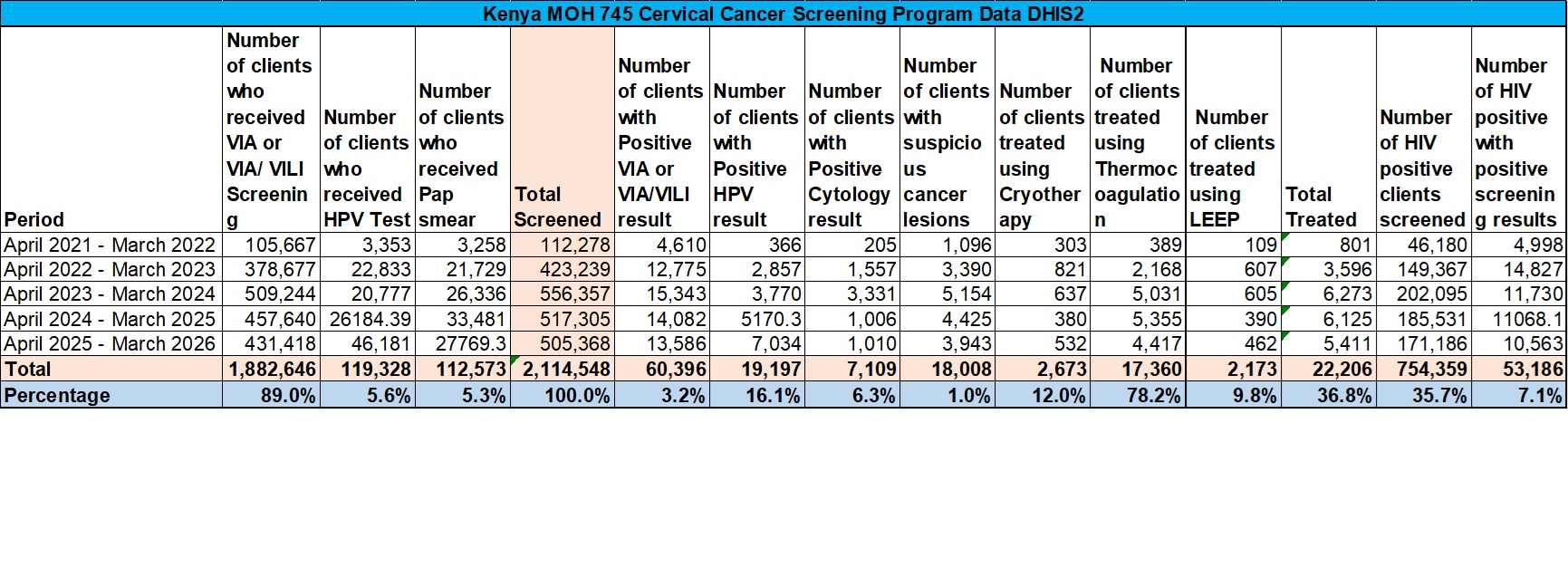
Conclusion: Kenya has demonstrated substantial gains in cervical cancer screening coverage, diagnostic capacity, and treatment of precancerous lesions over the past five years, with a notable pivot toward primary HPV testing and treatment with thermoablation. Reliance on VIA over HPV-based testing provides an important opportunity to strengthen molecular screening infrastructure. The elevated positivity among HIV-positive clients reinforces sustained integration of cervical cancer screening within HIV care services. Sustained investments are critical to achieving global targets.
Indonesia has committed to accelerate progress toward cervical cancer elimination, in line with the 2030 90-70-90 targets, with HPV vaccination as a key intervention. Since 2023, HPV vaccination has been implemented nationwide through the School Children's Immunization Month (Bulan Imunisasi Anak Sekolah). Although this school-based strategy has achieved high coverage among school-attending children, it presents challenges in reaching out-of-school (OOS) girls, who remain at risk of being missed. In line with the Immunization Agenda 2030 commitment to "leave no one behind," this study explored stakeholder mapping approaches to identify OOS girls and support equitable HPV vaccine delivery in Indonesia.
A stakeholder identification and mapping approach was implemented through stakeholder matrix conducted between 2023 and 2025 across nine sites, including eight cities (Manado, Kediri, Semarang, Bekasi, Makassar, Yogyakarta, Bandar Lampung, and Bangka) and one province-level site. Government agencies, civil society organizations (CSOs), and community-based organizations collaborated to identify data sources and stakeholder roles in identifying OOS girls eligible for HPV vaccination.
OOS girls were classified into two groups: (1) children under institutional supervision, including those attending religious boarding schools, community learning centers, home-schooling programs, and social welfare institutions; and (2) children without institutional affiliation, including girls who had never enrolled in school or had dropped out. Key data providers for the first group included the Religious Affairs Office, Education Office, Social Affairs Office, and Women's Empowerment and Child Protection Office. Identifying girls without institutional affiliation required coordination with the Social Affairs Office, Women's Empowerment and Child Protection Office, and local CSOs such as the Indonesian Waste Pickers Association. Additional stakeholders, including the Communication and Information Office, health professionals, faith-based organizations (Aisyiyah, Muhammadiyah, and Nahdlatul Ulama), and the Community Empowerment Office supported information dissemination.
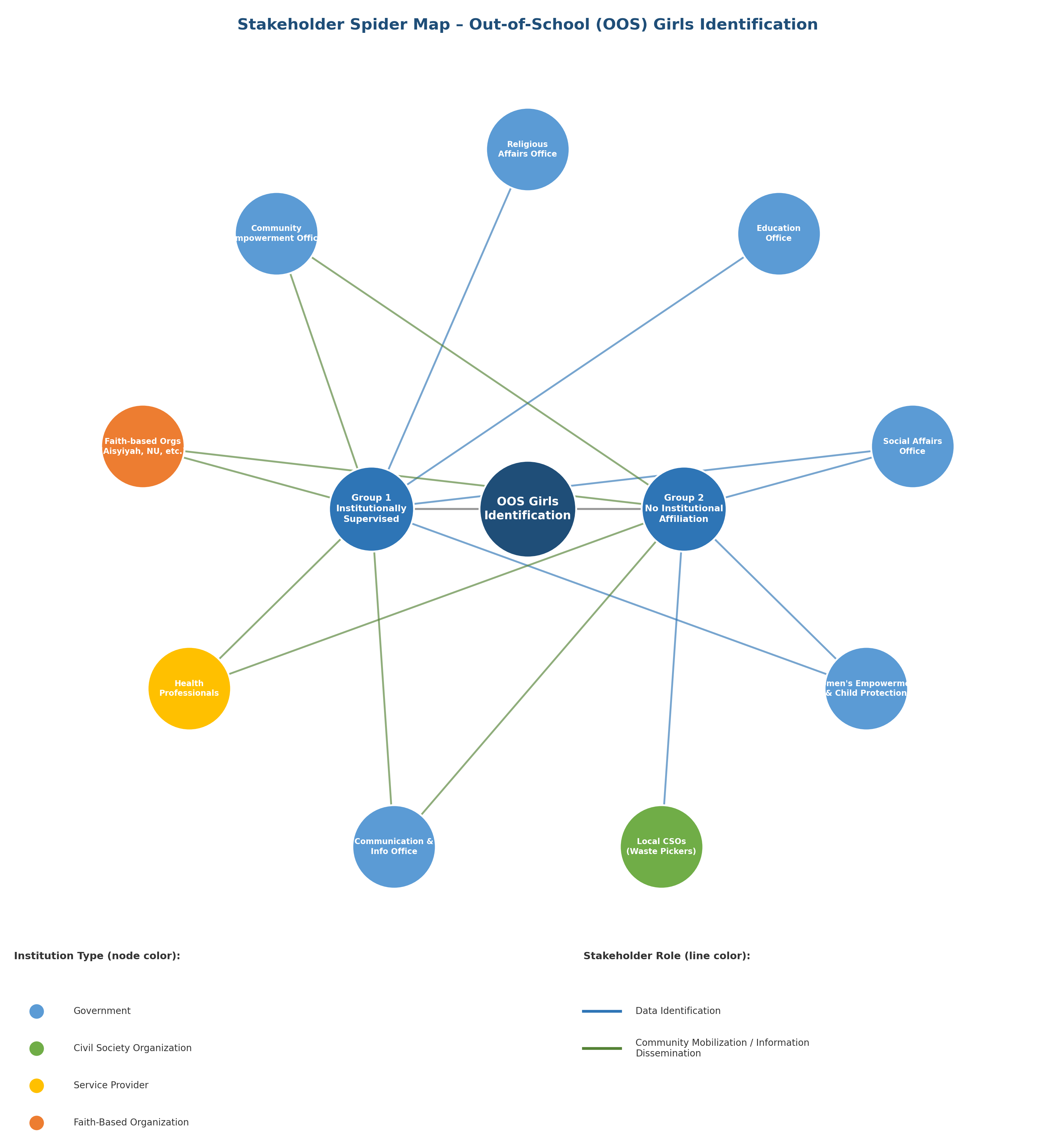
Multisectoral stakeholder mapping is critical for identifying OOS girls missed by school-based HPV vaccination programs. Collaboration across government sectors, faith-based organizations, CSOs, and community groups strengthens outreach to underserved populations and supports more equitable HPV vaccine delivery in Indonesia.
Introduction: In alignment with global targets for cervical cancer elimination, Indonesia has committed to the National Cervical Cancer Elimination Plan 2023–2030, with HPV vaccination as one of its key pillars. In 2025, the Ministry of Health introduced two major policy reforms to accelerate progress toward national elimination targets: transitioning from a two-dose to a one-dose HPV vaccination schedule and expanding the national target population from a single cohort of 11-year-old girls to a multi-age cohort strategy that included 15-year-old girls for catch-up vaccination. This study assessed the early outcomes and implementation experiences of these policy changes.
Methods: A mixed-methods study was conducted using routine administrative immunization data and qualitative findings from focus group discussions held during the Coordination Meeting on HPV Immunization, Socialization, and Operational Planning in six provinces: Lampung, West Java, East Kalimantan, Bangka Belitung, South Sumatra, and West Nusa Tenggara. Quantitative data were analyzed to assess vaccination coverage, while qualitative data identified implementation challenges and lessons learned.
Results: Following nationwide implementation, HPV vaccination coverage among 11-year-old girls increased from 89.6% in 2024 to 91.1% in 2025, while the newly introduced catch-up cohort of 15-year-old girls achieved 69.7% coverage. The one-dose schedule and multi-age cohort strategy together enabled an estimated 1,347,812 additional girls to be vaccinated in 2025 compared with the previous approach in 2024. Key implementation challenges included inaccurate target population data for the 15-year-old cohort, limited cross-sectoral stakeholder support, logistical constraints, delays in catch-up vaccination due to competing program activities, inadequate operational funding, and persistent misinformation regarding vaccine safety.
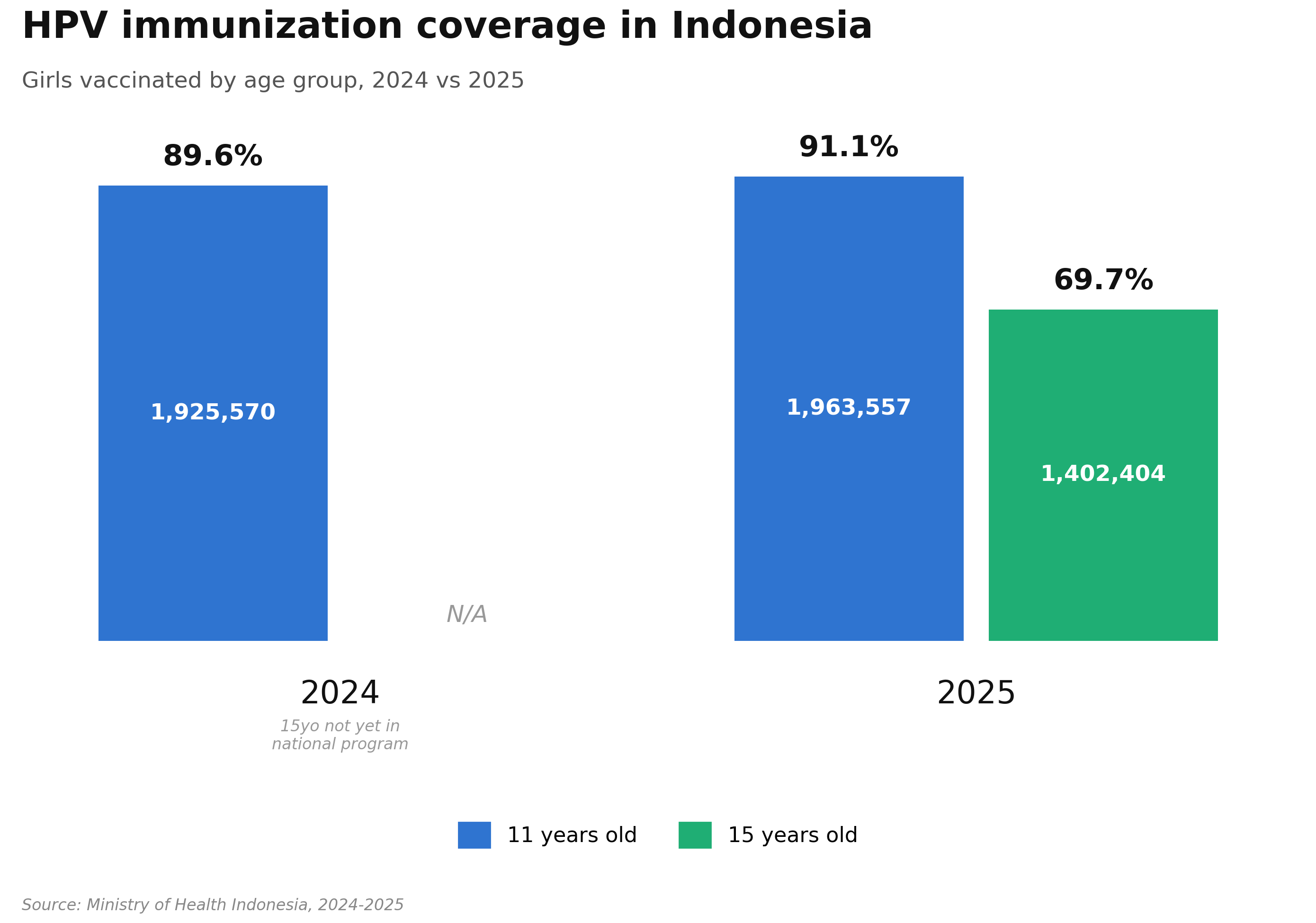
Conclusion: These reforms expanded HPV vaccination coverage nationally. However, achieving equitable and complete coverage will require strengthened target population data, timely microplanning, improved coordination with cross-sectoral stakeholders, sustainable operational financing, effective community engagement to address vaccine misinformation, and robust monitoring systems to support Indonesia's cervical cancer elimination goals.
Introduction:
Accurate staging in early-stage cervical cancer is essential for guiding treatment decisions. MRI is the standard imaging modality for local staging, while FDG PET/CT provides complementary metabolic and anatomical information, particularly for nodal and distant staging. The incremental value of PET/CT relates to detection of additional disease and avoidance of multimodality therapy, balanced against potential false-positive findings and other clinical and resource considerations.Methods:
This systematic review was part of the development of Australian clinical practice guidelines. A comprehensive literature search aimed to identify studies evaluating the additive value of PET/CT beyond standard initial staging (including MRI) in early-stage (FIGO 2018 IA2–IB2) cervical cancer before surgery. Where direct evidence was lacking, a structured synthesis of indirect evidence was undertaken for contextualisation and to support the guideline recommendations.Results:
No studies met the predefined inclusion criteria and directly assessed the incremental benefit of PET/CT beyond standard staging in strictly defined early-stage disease. Broader literature review suggests that PET/CT may have high specificity and prognostic value in this setting. However, evidence is limited by small sample sizes, heterogeneous populations and sparse reporting of disease detected uniquely by PET/CT (see Figure 1).Conclusion:
No direct evidence supports the incremental value of PET/CT beyond standard staging in FIGO IA2–IB2 cervical cancer, highlighting a relevant evidence gap. Current selection of early-stage patients for additional PET/CT imaging relies on extrapolation of limited indirect data and clinical reasoning. Evidence with well-defined populations is needed to define which patients benefit from addition of PET/CT.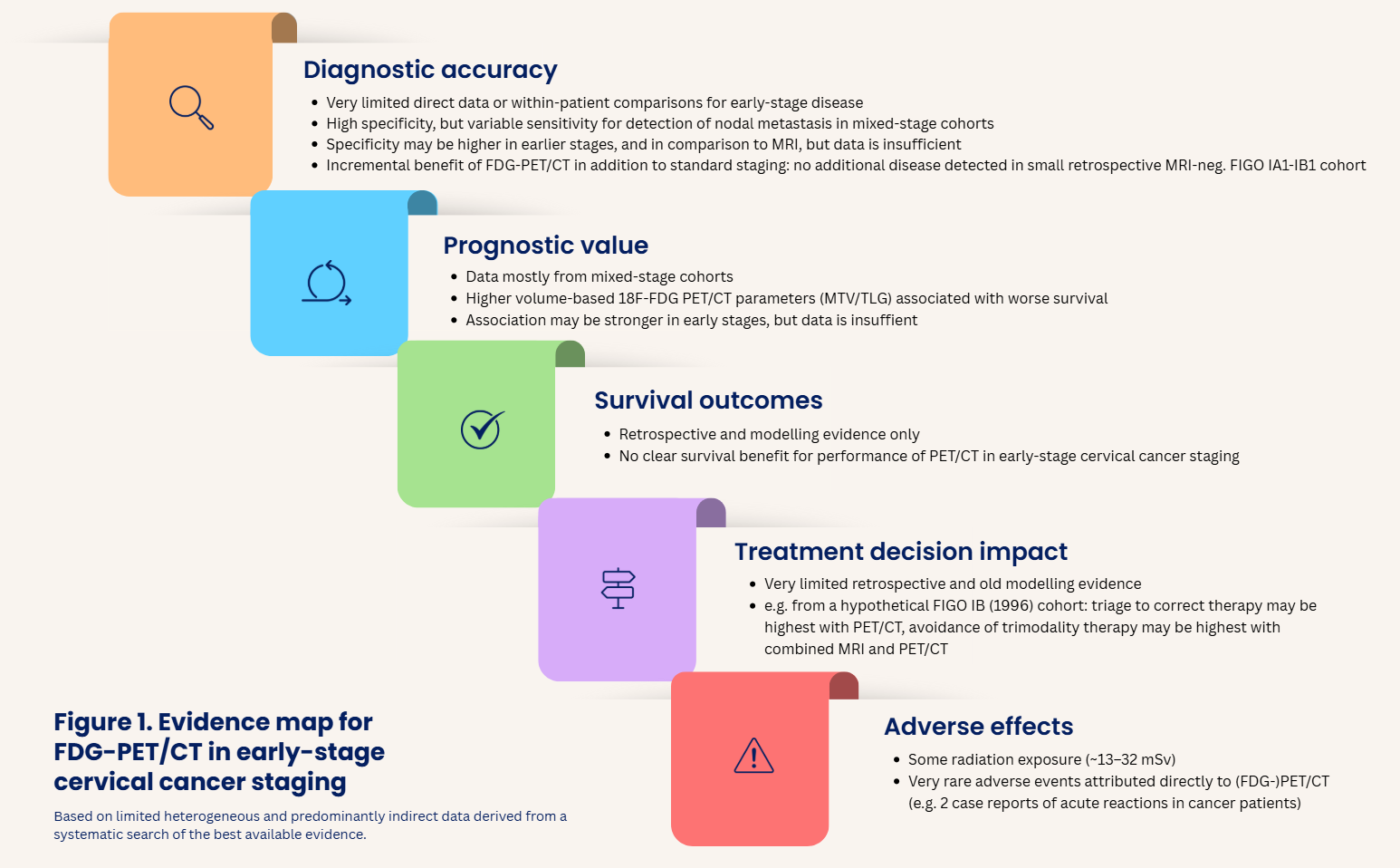
Introduction
In collaboration with Viet Nam Ministry of Health, DUKE University, and NCIRS, we aimed to evaluate the health impact, cost-effectiveness and budget estimate of national roll-out of HPV vaccination at a range of prices to support the National Immunisation Program plan.
Methods
The extensively validated dynamic Policy1-Cervix modelling platform was calibrated separately to urban and rural regions’ data of Viet Nam. Input costs were informed by analysis of systematically collected data from local hospitals and immunization programs. Routine girls-only HPV vaccination for 11-year-olds was evaluated assuming quadrivalent(Gardasil4) or nonavalent(Cecolin9/Gardasil 9) vaccines at 2-dose schedule. We considered vaccine price-per-dose for Gardasil4, Cecolin9, and Gardasil 9, respectively at UNICEFF prices of US$20, US$ 24, and US$34, and at market prices of US$69, US$70, and US$115. Due to planned phased introduction sub-nationally, we assumed 90% national coverage either by 2030 (WHO target), or by 2035.
Results
Scaling-up quadrivalent vaccine to 90% by 2030 is predicted to reduce cancer rates below the elimination threshold of 4-per-100,000 by 2090 and prevent 86,000 deaths by 2100. If nonavalent vaccine is used instead, cancer rates fall below the elimination threshold by 2078 and 109,000 deaths will be averted by 2100. Delaying scale-up by 5-years will delay elimination by 5 years and prevent 15,000 fewer deaths. At UNICEF prices, if Gardasil4 is available at $20per-dose, then Gardasil9 or Cecolin9 are cost-effective options for prices up-to $34per-dose (ICER=$4,115/HALY) (at WTP: 1XGDPper-capita of US$4,717). The estimated 5-year budget for HPV vaccination is US$152M for Gardasil4, US$172M for Cecolin9, and US$235M for Gardasil9. At market prices, if Gardasil4 is available at $69 per dose, then Cecolin9 ($70 per-dose) is cost-effective (ICER=US$882/HALY), but Gardasil9 is not likely to be cost-effective at $115per-dose; the budget for vaccination is $456M for Gardasil4 and US$464M for Cecolin9. Conclusions
With Gavi’s new approach and new vaccines on the market, it is important that countries can access technical support to re-assess options for obtaining the best value for money and dose-schedule.
Introduction:
Women living with HIV (WWH) are at increased risk of high-risk human papillomavirus (HR-HPV) infection and cervical cancer. While HPV self-testing may improve screening participation, understanding patient experiences is essential to inform implementation. This study integrated quantitative and qualitative findings to guide the implementation of integrated cervical cancer prevention services within HIV care.
Methods:
Preliminary findings from an explanatory sequential mixed-methods study are presented. Eligible WWH attending Universiti Malaya Medical Centre’s infectious diseases clinic were invited to perform HPV self-testing and complete post-screening assessments on self-testing experiences and acceptability. Descriptive analyses summarised uptake, HR-HPV prevalence, genotype distribution, and follow-up outcomes. Following this, qualitative semi-structured interviews were subsequently conducted with women who declined HPV self-testing (n=2), tested HR-HPV negative (n=4), and tested HR-HPV positive who completed colposcopy (n=3). Thematic analysis explored experiences on screening and care linkage.
Results:
60 WWH were approached and 42 participated in HPV self-testing (uptake: 70%), with a median age of 47 years. High acceptability was demonstrated, with 85.7% rating self-sampling as easy, 81.0% preferring self-sampling over Pap smear, and 97.6% willing to repeat self-sampling if it was the only screening option. Qualitative findings supported these outcomes, with women describing self-sampling as more private, comfortable, and less embarrassing due to greater personal control than Pap smears. Women who declined testing reported previous painful screening experiences and discomfort with genital sampling as barriers.
HR-HPV was detected in 7/42 participants (16.7%), and 6/7 completed colposcopy. Interviews suggested clear counselling, reassurance, and trust in HIV healthcare providers helped women understand positive HPV results and proceed with follow-up care. Participants valued HPV screening integrated within HIV care, where coordinated services reduced multiple hospital visits.
Conclusions:
HPV self-testing demonstrated high acceptability among WWH and facilitated engagement across the cervical screening pathway. Integrating self-testing within trusted HIV care, alongside patient-centred counselling, may enhance cervical cancer prevention among WWH in Malaysia.
HPV vaccination in a changing world: Prospects for reaching 90% coverage by 2030
Plenary: Building global treatment capacity and linkages to care
Vietnam: Introduction plan and evaluation of HPV role out
Case study achievements and challenges: Timor
Estimates of treatment demands in LMIC
Role of CSOs
C4 report HPV vaccine coverage data